Have you ever returned from a vacation in a massive global city feeling like you need another vacation just to recover? The endless lines, the crowded subways, and the generic souvenir shops selling the same plastic keychains can quickly drain your energy.
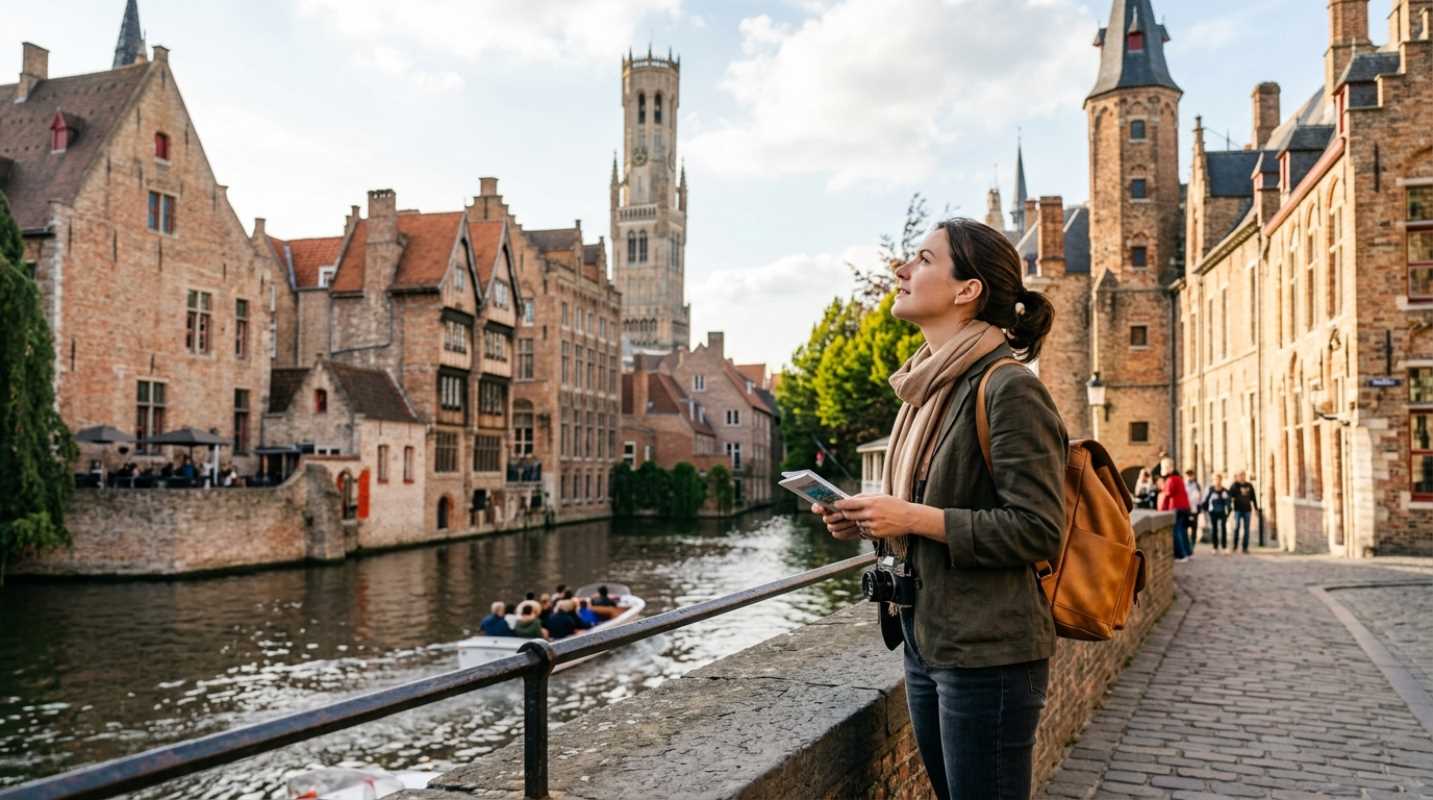
That is why so many of us are changing how we travel. We are trading the chaotic rush of major metropolises for something much quieter, much older, and infinitely more interesting.
Cultural travel is undergoing a massive shift right now in 2026. People want intimate, authentic experiences that actually mean something. They want slow travel. According to recent travel data, 73% of global travelers actively seek out highly authentic, local experiences where they can fully immerse themselves in the local culture.³
It isn't a passing phase. The heritage tourism market is massive, valued at over $600 billion.² Younger travelers, especially Millennials and Gen Z, are leading the charge. They are choosing heritage travel over hustle culture. They want to know where they came from, how people used to live, and how to slow down.
Preserving the Past: What Makes a Town Truly Historic?
So what makes a town truly historic? It is much more than just putting up a few bronze plaques on old buildings.
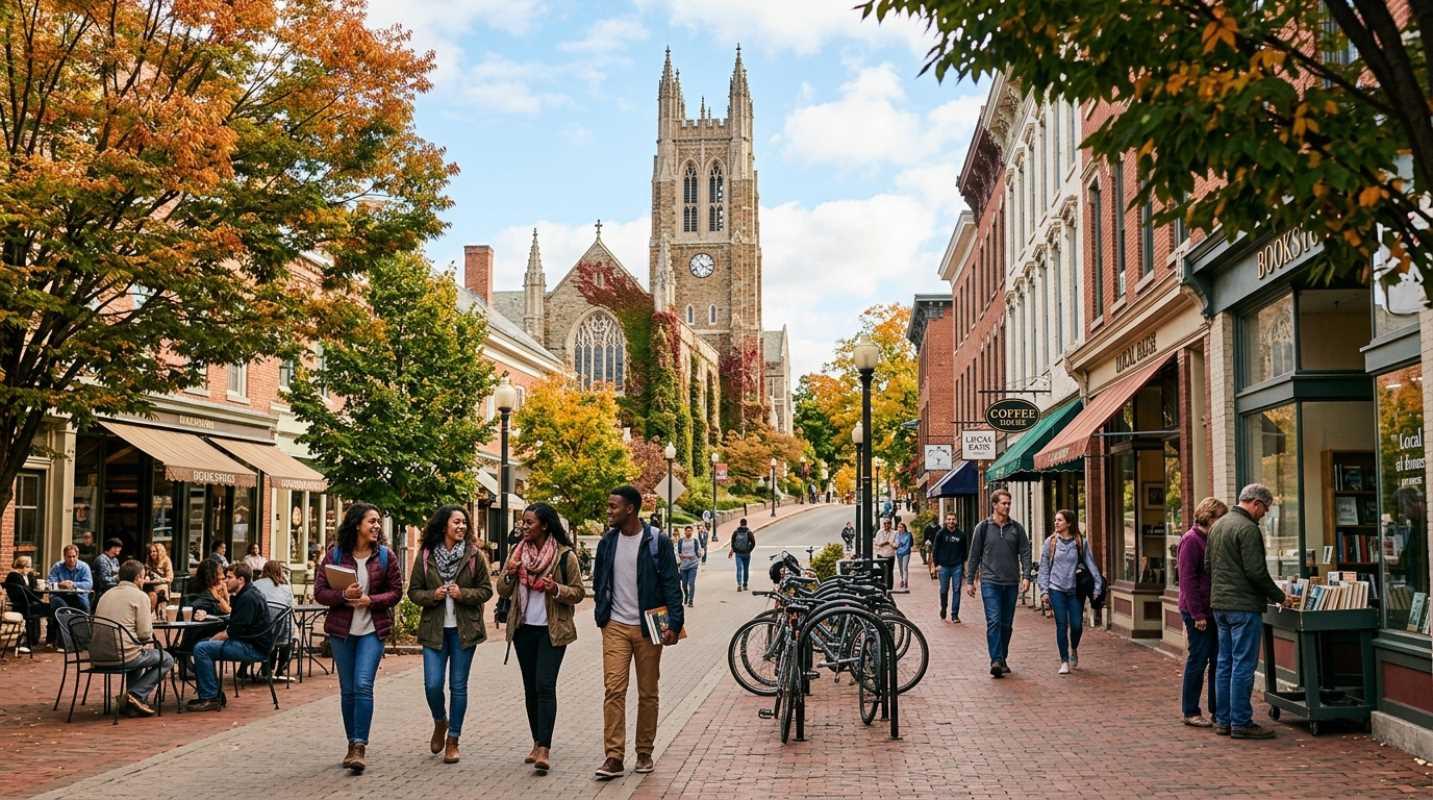
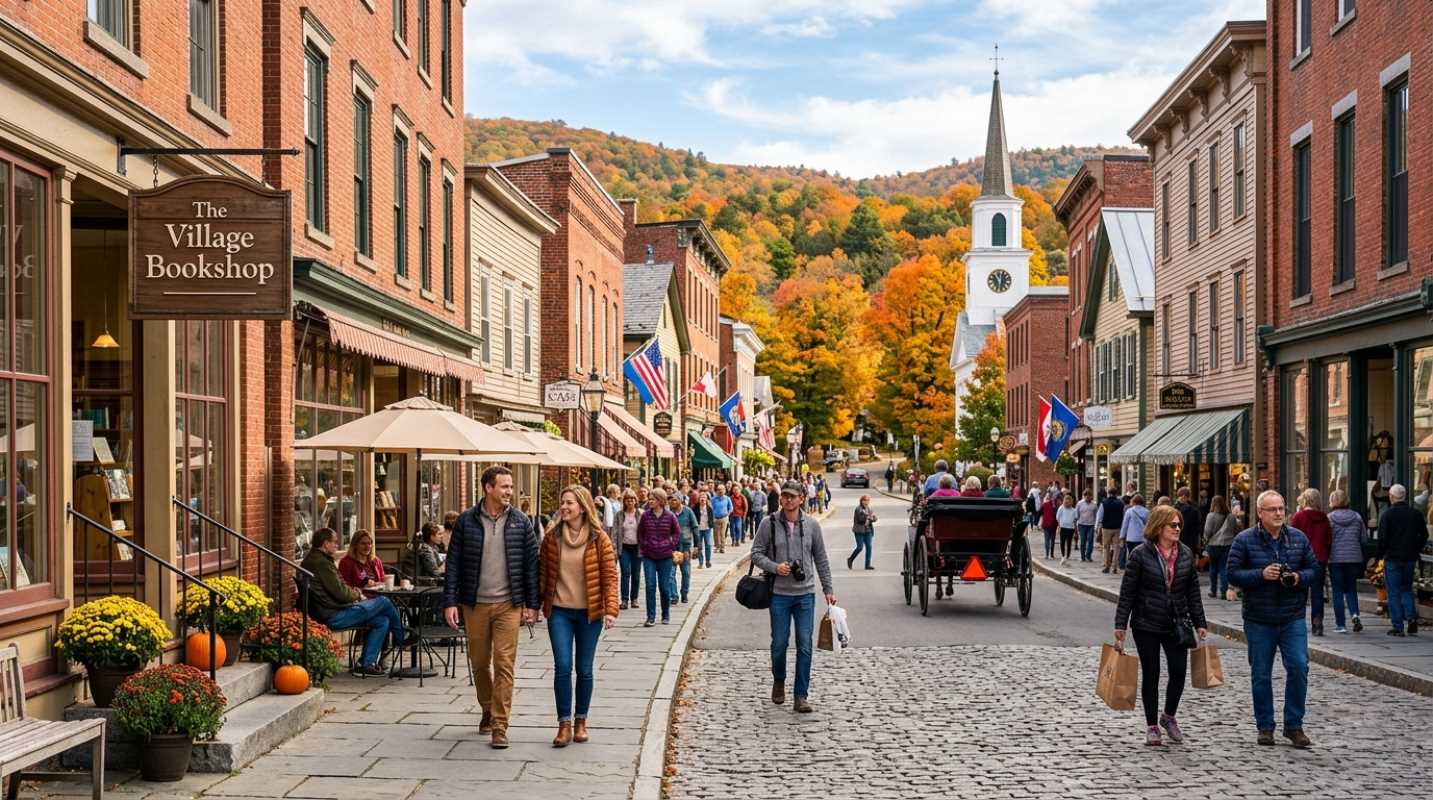
The magic lies in architectural integrity and the stories locals tell. When you walk down a street and see original 19th-century storefronts instead of a wall of glass and steel, your brain relaxes. You instantly feel connected to a different timeline.
Of course, these towns can't live in a museum bubble. They have to modernize to accommodate visitors, but the best ones do it with extreme care. They hide modern conveniences behind historic facades. They turn old factories into boutique hotels and historic post offices into cozy coffee shops.
This preservation is also a massive economic win. When a community protects its history, it creates a unique brand that can't be replicated. Tammy Dooley, the Director of Visit Granbury, notes that local pride is the secret weapon. When locals are proud of their history, it shows. It turns a standard trip into an unforgettable experience.
Top Tier Tourist Destinations: Hidden Gems to Visit Now
Let's look at a few places that are getting it right. These small towns have populations under 25,000, yet they are drawing crowds for all the right reasons.
Granbury, Texas
Granbury is a powerhouse of historic preservation. With a population under 10,000, its historic downtown square was the very first courthouse square in Texas to get listed on the National Register of Historic Places.
The town has an incredibly rich story to tell. You can catch a show at the 1886 Granbury Opera House, visit the Hood County Jail Museum, or listen to local legends. Some residents swear the town is the final resting place of both Jesse James and John Wilkes Booth.
Marietta, Ohio
If you want to escape the modern grind, Marietta is your sanctuary. Founded in 1788 at the meeting point of the Ohio and Muskingum rivers, it is the oldest permanent settlement in the Northwest Territory.
Walking here feels like stepping back in time. The town has ancient Native American earthworks, brick-lined streets, and the historic Lafayette Hotel. If you visit Mound Cemetery, you will be standing in the place that holds the highest number of buried Revolutionary War officers in a single location in the United States.
Solvang, California
What if you want a European vacation but your budget says otherwise? Solvang is the answer. Located in Southern California, this town of 6,000 residents is known as the Danish Capital of America.
It has Danish-style windmills, half-timbered architecture, and authentic bakeries serving up fresh pastries. It is a perfect example of how cultural heritage can transport you to another part of the world without requiring a trans-atlantic flight.
Berea, Kentucky
Berea is a dream for anyone who loves handmade goods and deep community history. The town is home to Berea College, which is a highly progressive institution that was the first co-educational and racially integrated college in the South.
Berea Tourism Director Nancy Conley highlights that the town pairs its vast natural beauty and outdoor recreation with unique local dining and working artist studios. It is widely recognized as the Folk Arts and Creates Capital of Kentucky.
Edgartown, Massachusetts
Located on Martha's Vineyard, Edgartown has a year-round population of just 752 people, though that number swells during the warmer months.
It is a postcard-perfect coastal town filled with pristine 19th-century whaling captain's homes and historic beacons like the Edgartown Harbor Light. Walking through the village feels like stepping directly into a maritime history book.
Vicksburg, Mississippi
Vicksburg recently celebrated its massive bicentennial, which commemorated 200 years of local history.¹ The town has deep historical roots, particularly at the Vicksburg National Military Park. But they are also blending history with modern creativity, launching fresh events like the Vicksburg Hipstoric Art Festival to keep the culture alive and exciting.¹
The Cultural Travel Experience Beyond the Postcard
How do you get the most out of these destinations? You have to look past the postcard views and dive into the actual community.
Start with the food. Culinary heritage is one of the easiest ways to understand a place. Skip the chain restaurants and find the local diner that has been serving the same pie recipe for eighty years. Better yet, look for local cooking classes or food tours that explain the history behind regional ingredients.
Talk to the people who live there. Local shop owners, librarians, and museum docents are usually walking encyclopedias of town lore. They can tell you the stories that don't make it into the official guidebooks.
If you want to practice sustainable tourism in these historic districts, keep these simple rules in mind
• Practice slow travel: Spend several days in one place instead of rushing through three towns in a single weekend.
• Support local businesses: Buy your souvenirs from local artisans rather than big-box retailers.
• Respect historic spaces: Stay on designated paths and follow local guidelines to keep these fragile sites intact for future generations.
Planning Your Next Heritage Getaway
Planning a trip to a smaller town requires a slightly different approach than booking a weekend in New York or London.
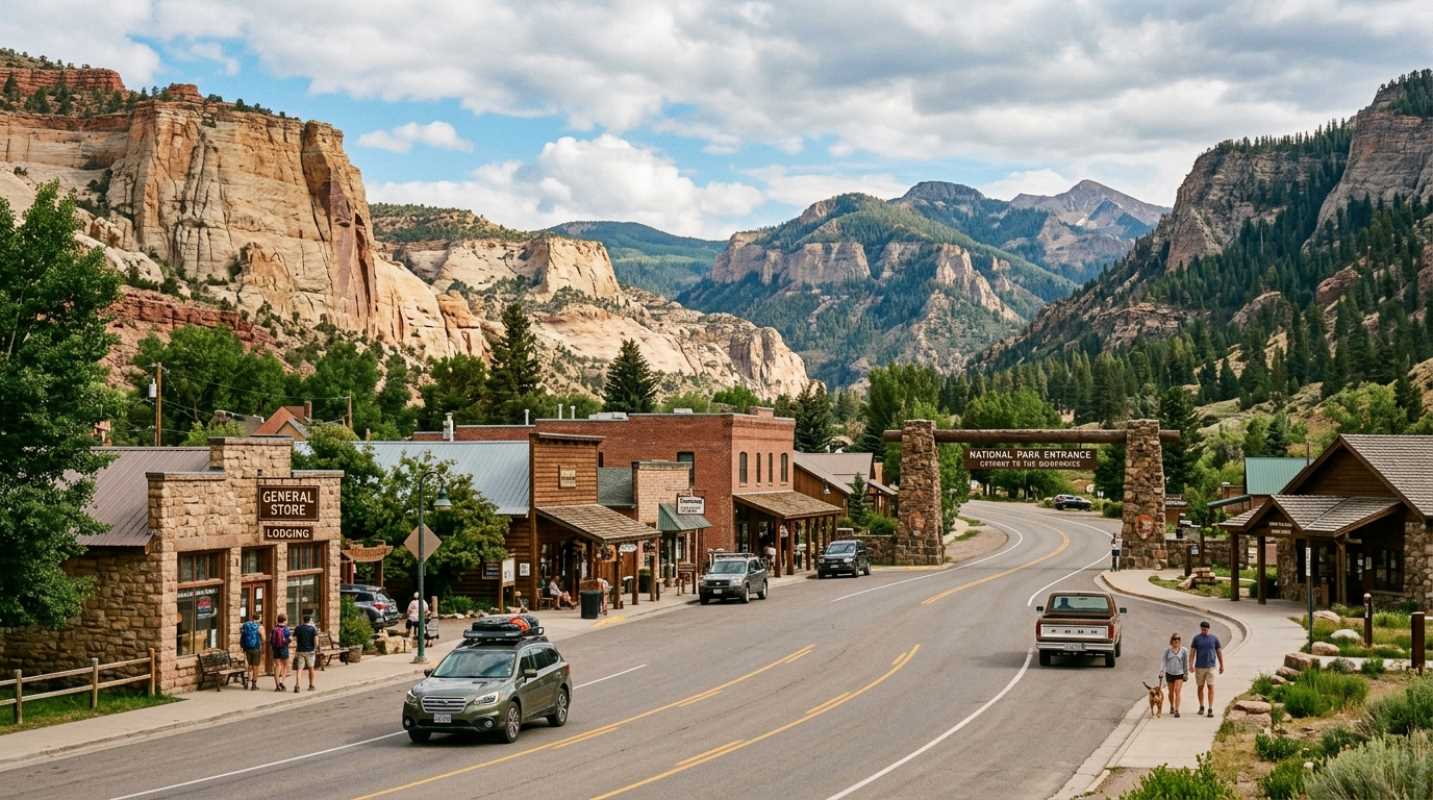
Transportation can be a bit trickier because these places are often far from major airport hubs. You will likely need to rent a car, but think of that as part of the adventure. The scenic drives are often half the fun.
Don't try to pack your itinerary with fifty different activities. The whole point of visiting a historic small town is to slow down. Give yourself permission to sit on a bench in the town square with a cup of coffee and just watch the world go by.
Choose quality experiences over a checklist of sights. You will come home with better stories, deeper memories, and a genuine appreciation for the people who built these incredible places.
Sources:
1. Vicksburg Named One of the 15 Best Small Towns to Visit in 2025
https://www.vicksburgmainstreet.com/2025/07/01/20077/vicksburg-named-one-of-the-15-best-small-towns-to-visit-in-2025-by-smithsonian-magazine/
2. Heritage Tourism Is Worth $607 Billion A Year To The Travel Industry
https://www.forbes.com/sites/michaelgoldstein/2026/01/21/heritage-tourism-is-worth-607-billion-a-year-to-the-travel-industry/
3. Destination Marketing in 2025 and the Power of Authentic Cultural Experiences
https://envisionitagency.com/blog/destination-marketing-2025-and-the-power-of-authentic-cultural-experiences/