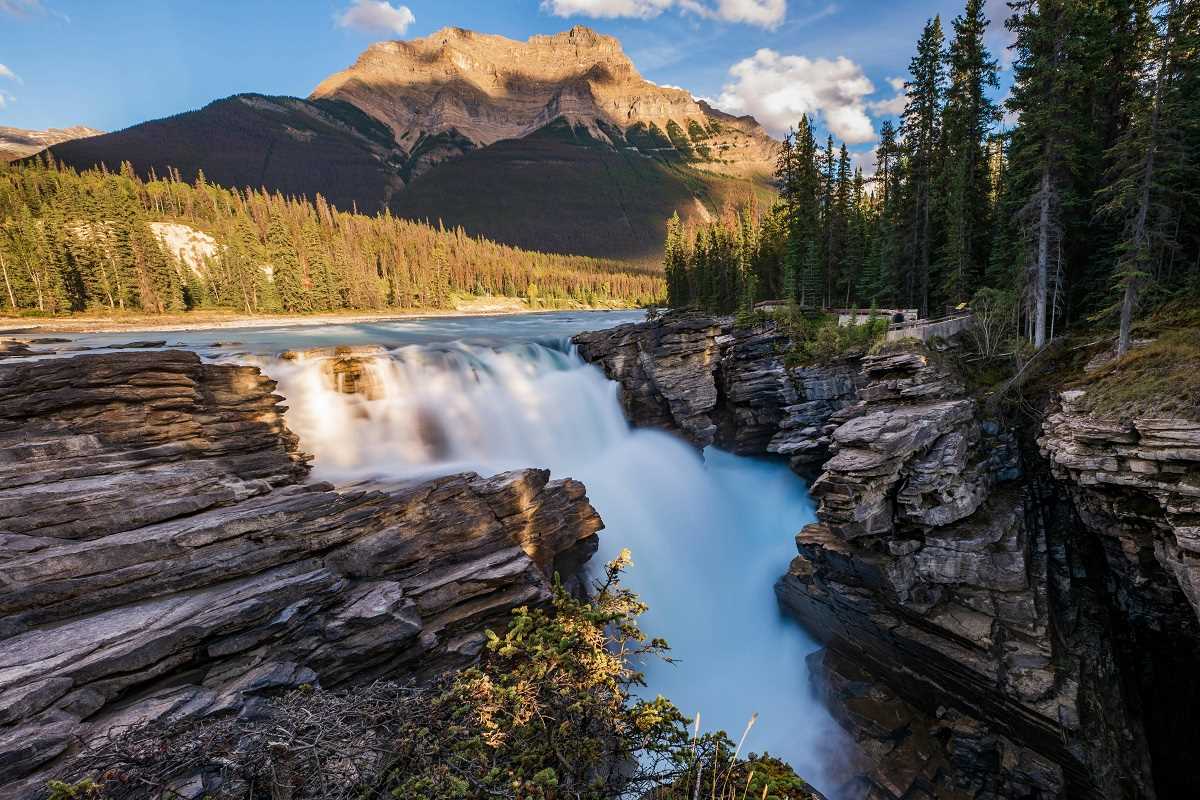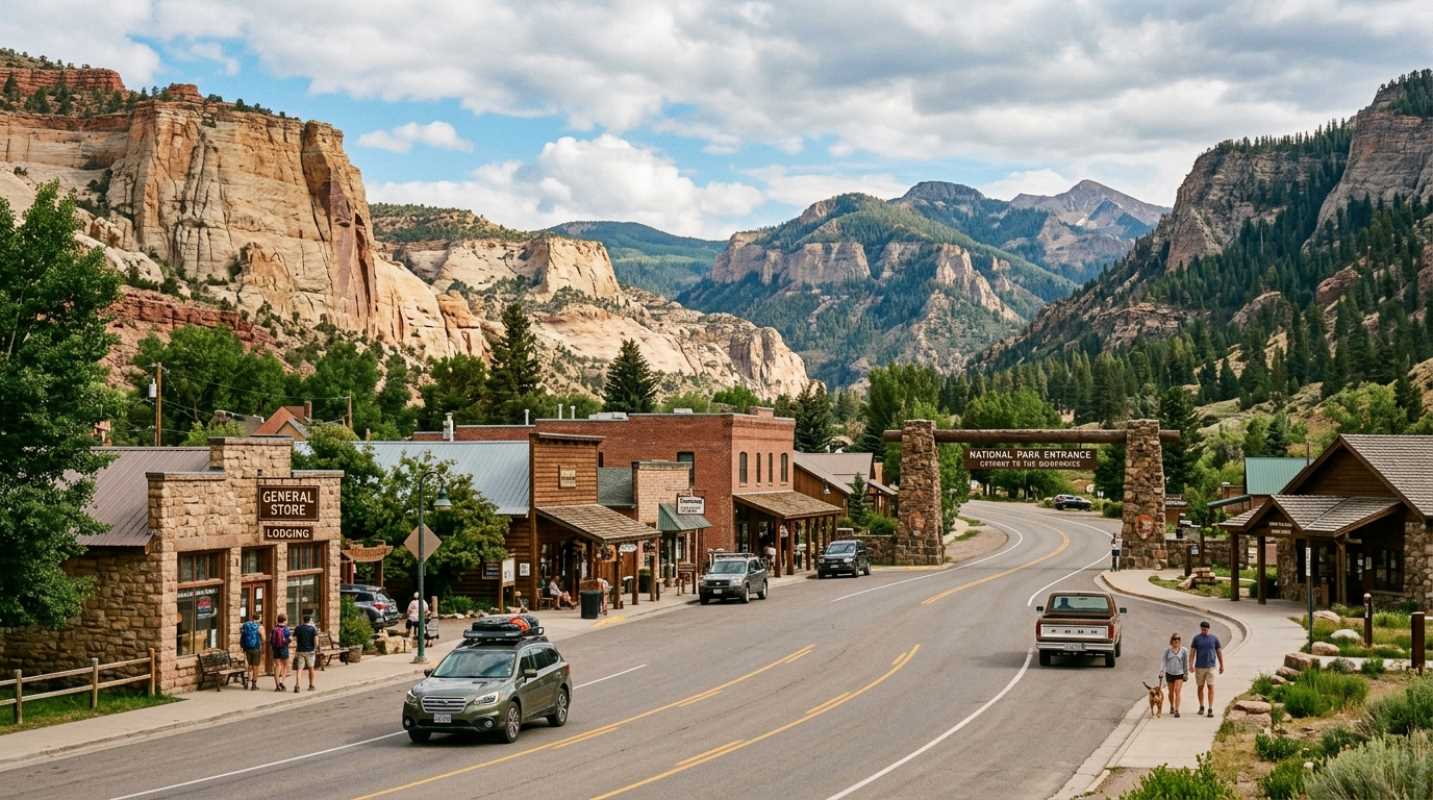
Have you ever spent your precious vacation hours idling in a two-mile line of SUVs just to get a photo of a famous arch or waterfall? It is a frustrating reality of modern outdoor travel. Our collective obsession with bucket-list spots is pushing our most beloved public lands to the brink.
But what if the best part of your next national park trip happened before you even crossed the park boundary?
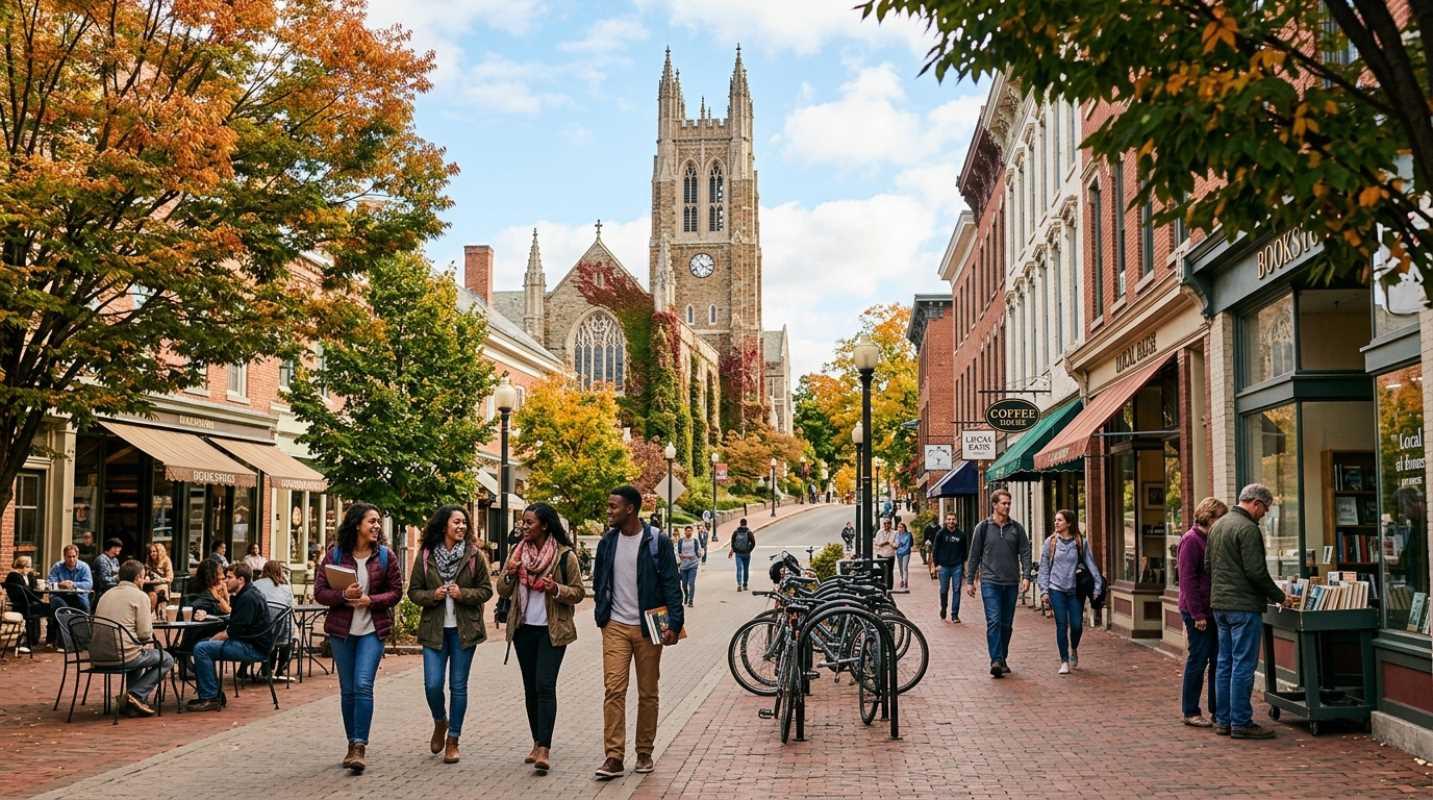
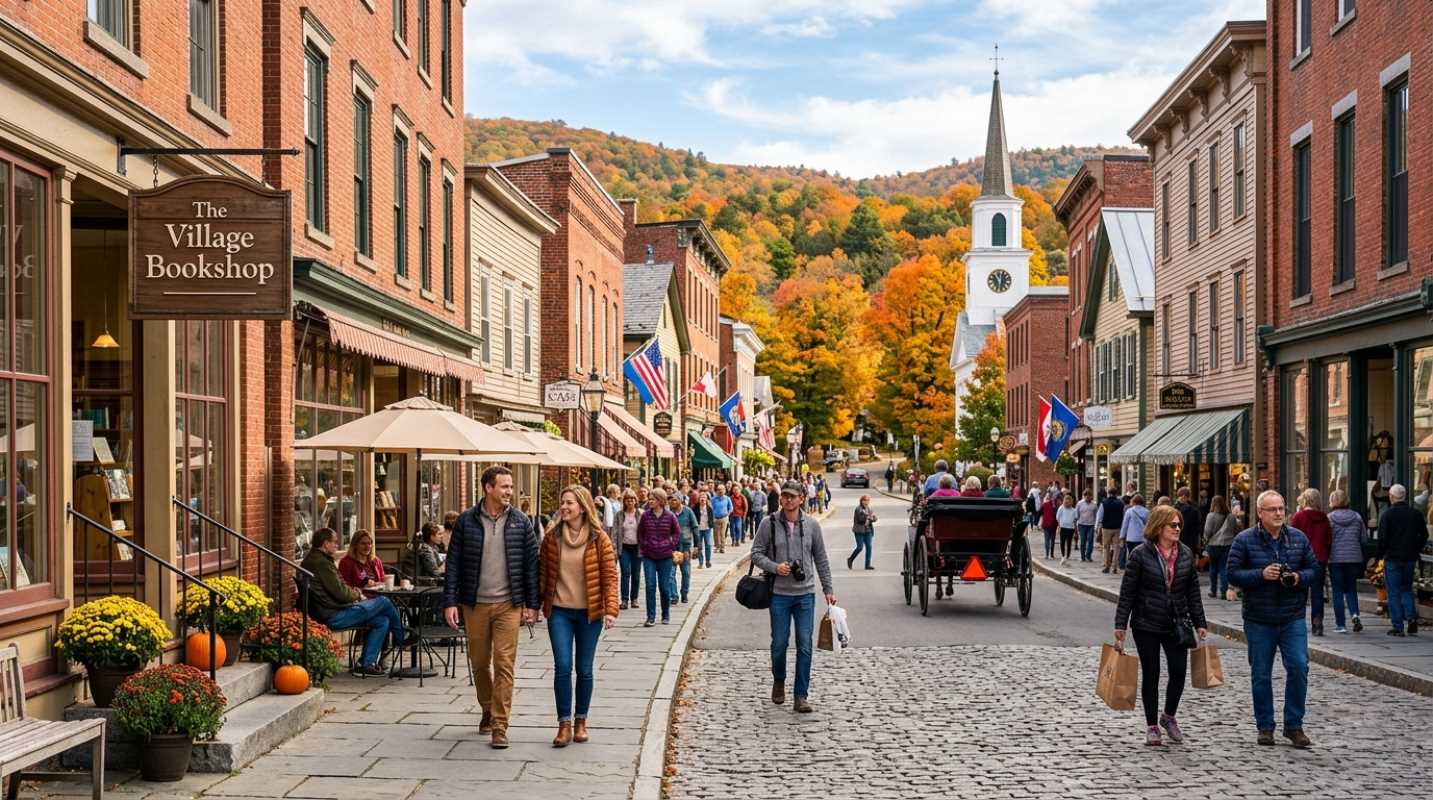
We need to talk about gateway towns. For decades, travelers treated these border communities as mere pit stops to grab a quick burger, fill up the gas tank, and buy a cheap souvenir. That is a massive missed opportunity. When you look past the park entrance, you find the true character of the region.
These towns are economic powerhouses. A report by the National Park Service shows that visitor spending in communities near national parks generated $ 56.3 billion in benefits to the U.S. economy, supporting over 415,000 jobs.¹ This cash flow matters, but it comes with a catch.
Many of these places are GNAR (Gateway and Natural Amenity Region) communities. These are typically small towns with populations under 25,000 that face big-city issues on tiny rural budgets. In fact, a landmark survey revealed that 80 percent of public officials in these communities report that housing affordability is a major problem.² Rapid growth and seasonal tourist spikes strain local roads, water systems, and the very charm that drew people there in the first place.
Choosing underrated gateway towns is a great way to relieve this pressure. By staying in lesser-known hubs, you help spread the economic benefits to communities that actually want and need the business, all while skipping the suffocating crowds.
Hidden Gems Underrated Gateways You Need to Visit
Finding these quieter entry points requires looking past the big-name tourist hubs. If you are planning a trip, skip the hyper-commercialized towns and set your sights on these three remarkable gateway communities.
Townsend, Tennessee
If you have ever been to Gatlinburg or Pigeon Forge, you know how a lot of the traffic and neon signs can be. Townsend is a peaceful alternative. With a population of just 657, this town sits on the quiet northwestern border of Great Smoky Mountains National Park.
Townsend focuses heavily on low-impact recreation. You can tube down the Little River or ride a bicycle along the local pathways. The town also strongly supports the park's vehicle-free days at Cades Cove, which allow you to walk or bike the historic loop without car exhaust and traffic noise. To protect its rural charm, the town launched a citizen-led land-use planning process to prevent unchecked development from ruining the local valley.
Alamosa, Colorado
Alamosa is a high-desert cultural hub sitting in the shadow of the dramatic Sangre de Cristo Mountains. It is the primary gateway to Great Sand Dunes National Park and Preserve, which has the tallest sand dunes in North America.
What makes Alamosa special is its focus on long-term community health. The town has a five-year tourism approach that shifts the focus from simply attracting more tourists to improving resident well-being and supporting local businesses.³ Alamosa is also a leader in dark sky preservation. Because the adjacent national park is a designated International Dark Sky Park, Alamosa has tightened local light-pollution rules to protect the night sky, which helps local businesses by drawing stargazers who stay overnight.
Winthrop, Washington
Winthrop is a Western-themed town with wooden boardwalks in the Methow Valley. It is the eastern gateway to North Cascades National Park, which is famously quiet, receiving only a tiny fraction of the visitors that swarm places like Yosemite.
Winthrop is home to North America's largest cross-country ski network, which spans over 120 miles of trails. Instead of relying on government land, this trail system works through partnerships with more than 175 private landowners who let the public cross their property. This community-led model protects wildlife migration corridors while bringing millions of dollars into the local economy.
Creating the Perfect Basecamp Experience
Choosing an underrated gateway town does not mean you have to rough it. You can easily balance comfort and adventure while making a positive impact on the local community.
Think of your trip as a partnership with the town. When you stay in these smaller hubs, your spending goes directly to local families instead of massive corporate hotel chains. Here are a few ways to build a better Basecamp experience
• Choose local lodging: Look for historic lodges, family-run cabins, or bed-and-breakfasts instead of national chains.
• Eat regional food: Skip the fast-food drive-thrus and dine at local diners, bakeries, and craft breweries.
• Hire local guides: Booking a local fly-fishing guide or hiking expert gives you unmatched insider knowledge and supports the local workforce.
• Prioritize heritage: Spend an afternoon visiting local history museums, art galleries, or cultural centers to understand the community's roots.
By focusing your time and money on local businesses, you help these towns resist the pressure to sell out to major developers. You get a more authentic vacation, and the town gets to keep its unique identity.
Mastering the Logistics of Off-the-Beaten-Path Travel
Traveling to smaller, underrated gateway towns requires a slightly different approach to planning. Because these towns do not have the massive infrastructure of major tourist hubs, you need to be a bit more proactive.
First, keep an eye on seasonal closures. Many smaller gateways sit near high-altitude roads or remote park entrances that close during winter and spring. In 2026, unpredictable weather patterns make it even more important to check local road conditions and park alerts before you head out.
Second, use the size of these towns to your advantage. Smaller gateways often have quieter, lesser-known park entrances. By using these back doors, you can bypass the main entrance stations where traffic jams are common.
Finally, talk to the locals. When you buy coffee at the local bakery or gear at the regional outfitter, ask where they like to go. You will often get directions to quiet viewpoints, uncrowded hiking trails, and secret swimming holes that you will never find on a popular travel app.
Redefining How We Explore the Wild
It is time to change how we think about national park travel. A great trip means slowing down and connecting with the places we visit, rather than rushing from one famous viewpoint to another just to check a box.
When you choose an underrated gateway town, you become more than just a tourist. You become a partner in preserving these special places. You help protect the night skies in Alamosa, support local landowners in Winthrop, and keep the peaceful side of the Smokies quiet in Townsend.
The future of travel belongs to those who tread lightly and value community. By exploring these lesser-known gateways, you get a richer, more peaceful outdoor experience, and you help make sure these incredible towns thrive for generations to come.
Sources:
1. National Park Service
https://www.nps.gov/orgs/1207/national-park-visitor-spending-contributed-%2456-billion-to-the-u-s-economy-in-2024.htm
2. Utah State University GNAR Initiative
https://extension.usu.edu/gnar/research/planning_challenges
3. Solimar International
https://www.solimarinternational.com/from-gateway-to-year-round-destination-co-creating-visit-alamosas-five-year-tourism-approach/