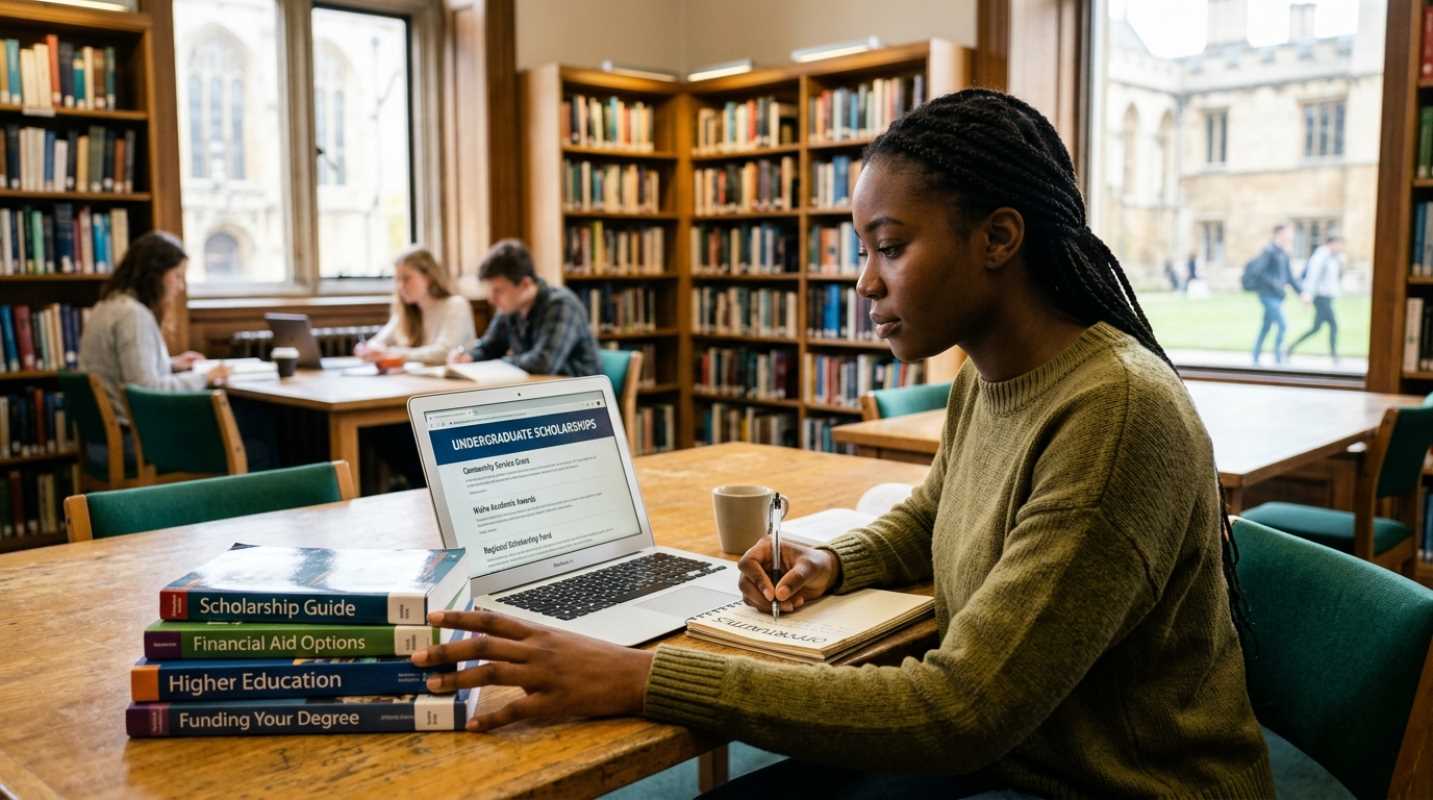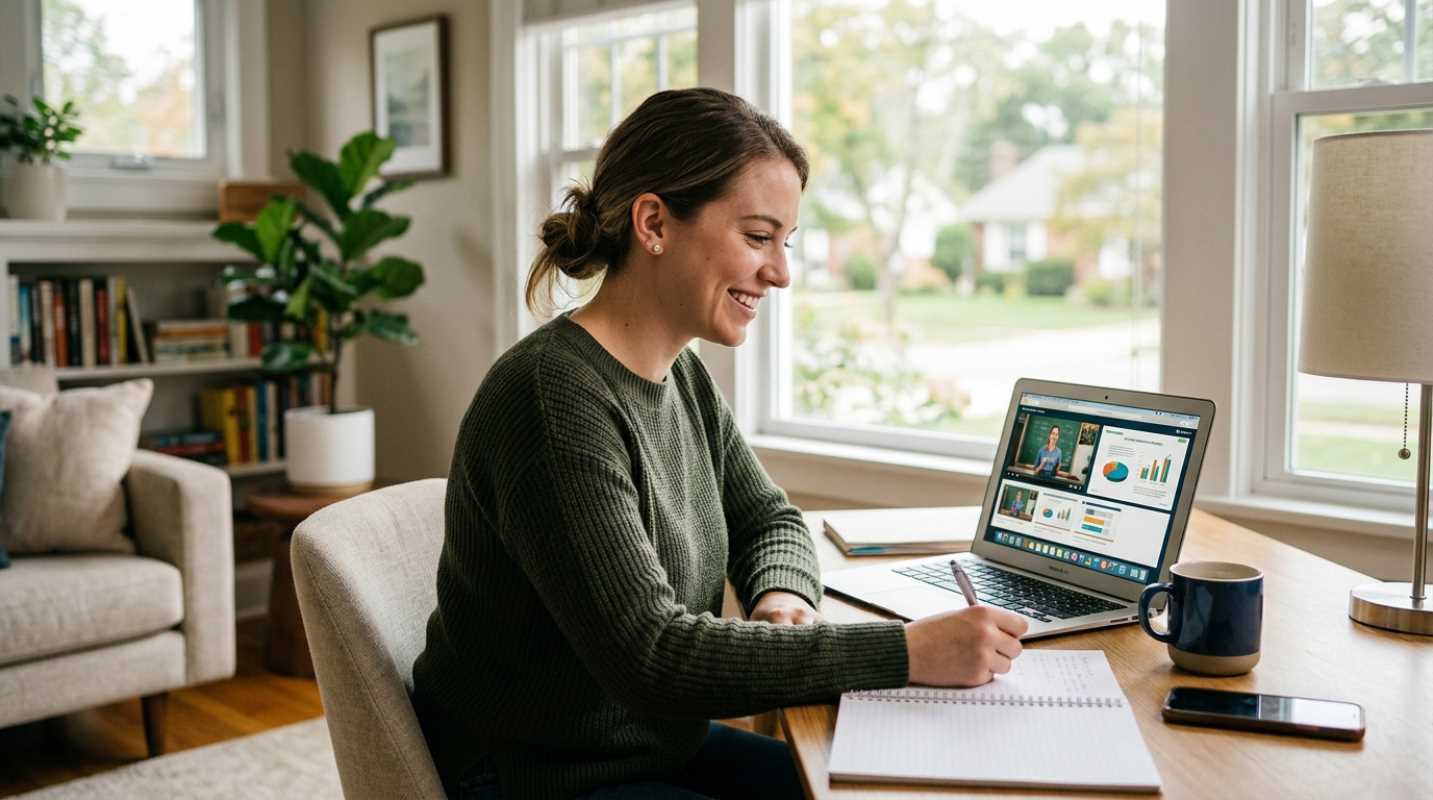
Remember the morning rush of traditional college life? The spilled coffee, the frantic search for a parking spot, and the race to slide into a lecture hall seat before the professor started talking. For millions of students today, that chaotic routine is a relic of the past. Higher education has shifted from physical campus quadrangles to the comfort of home offices and local coffee shops.
What used to be a niche option for a select few has become a mainstream choice. We are living in a new era of learning where your laptop is the classroom. The big driver behind this shift is flexibility. Today, you do not have to choose between advancing your career and living your life. You can do both at the same time.
Why Students Are Choosing Distance Learning
Why are so many people making this choice? If you ask anyone currently enrolled in a virtual program, they will likely point to three major benefits.
• Control over your calendar: You can study at midnight, during your lunch break, or while the kids are asleep. You get to fit school into your life instead of bending your life around a rigid class schedule.
• A lighter load on your wallet: Think about the hidden costs of college. Dorm rooms, meal plans, parking passes, and daily commutes add up fast. By studying from home, you cut those expenses out of the equation.
• True geographic freedom: You can live in a rural town and still earn a degree from a school thousands of miles away. This accessibility opens doors for working professionals who cannot afford to pack up and move for school.
The financial numbers back this up. The U.S. online degree market reached an estimated $74 billion in 2025.¹ That is a massive jump from pre-pandemic levels. In fact, higher education analysts recently noted a major milestone where the number of fully online undergraduates in the U.S. began to outpace those in traditional, strictly on-campus programs.²
Shattering the Stigma: Credibility and Quality
Remember when people used to look down on online degrees? There was a time when listing an online credential on your resume might have raised an eyebrow. Those days are officially over.
Today, some of the most respected public and private universities in the world offer fully virtual programs. They are not watered-down versions of on-campus degrees either. They use the same professors, the same curriculum, and the same rigorous standards.
But what do employers think? That is the real test, right?
A study published in the American Journal of Distance Education in February 2026 by researchers Heather Millar and Elsie Harper-Anderson at Virginia Commonwealth University revealed a massive shift in hiring. Hiring managers are now almost 10 times more likely to hire a candidate with an online degree than they were before the pandemic. Even more surprisingly, top executives are 13 times more likely to hire online graduates compared to other respondents.
As Dr. Heather Millar explained, the pandemic forced everyone into virtual environments, and the impact on hiring mindsets was dramatic. When managers had to work remotely, they realized that succeeding in a digital environment requires an incredible amount of self-discipline, organization, and drive. Those are exactly the traits you want in a new hire.
The consensus among modern employers is clear. If your degree comes from an accredited institution, they care about your skills and your dedication, not whether you sat at a wooden desk or on your living room couch.
The Technology Driving the Digital Classroom
Let's talk about what it actually feels like to learn online today. It is not just staring at flat documents and writing on boring discussion boards.
The technology has gotten incredibly smart. Many programs now use interactive platforms and virtual reality to simulate real-world scenarios. Imagine practicing a complex medical procedure or exploring a historical site in a virtual space before you ever do it in real life.
There is also the rise of artificial intelligence. Although some schools are still figuring out how to handle AI in the classroom, many use it to create personalized learning paths. It acts like a digital tutor, figuring out where you struggle and giving you custom practice to help you master the material.
But doesn't online learning feel lonely? It doesn't have to. Modern collaborative tools make it easy to work on group projects, chat with classmates, and build a real network. It is the digital equivalent of meeting up at the student union, just without the bad cafeteria food.
If you are ready to explore your options, here are some of the most respected avenues for distance education today.
The Future of Professional Development
The job market is moving faster than ever. The skills you need today might be completely different from the skills you will need five years from now. This is why lifelong learning is no longer just a nice phrase; it is a career survival approach.
We are seeing a massive boom in microcredentials, which are short, skills-focused programs that you can stack together to build a full degree later. This approach bridges the gap between academic theory and practical, real-world application. You can learn a new coding language or management approach on a Tuesday night and apply it at your job on Wednesday morning.
According to data from the National Center for Education Statistics, over 53% of all U.S. college students are now enrolled in at least one distance education course.³ It is clear that this isn't a temporary phase.
As William Stubley from Year 13 points out, it is a stage-of-life divide. Career and family priorities require learning that works around those pillars, not the other way around.
Whether you want to climb the corporate ladder, switch industries entirely, or simply satisfy your curiosity, the digital classroom is ready for you. The future of education isn't down the road at a physical campus. It is right there on your screen.
Sources:
1. HolonIQ Market Analysis
https://www.holoniq.com/notes/74b-online-degree-market-in-2025-up-from-36b-in-2019
2. Encoura Higher Ed Predictions
https://www.encoura.org/resources/wake-up-call/higher-ed-predictions-for-2025-part-1-an-online-milestone-and-trouble-ahead-for-the-us-department-of-education/
3. National Center for Education Statistics Trend Generator
https://nces.ed.gov/ipeds/TrendGenerator/app/build-table/2/42?rid=6&cid=85