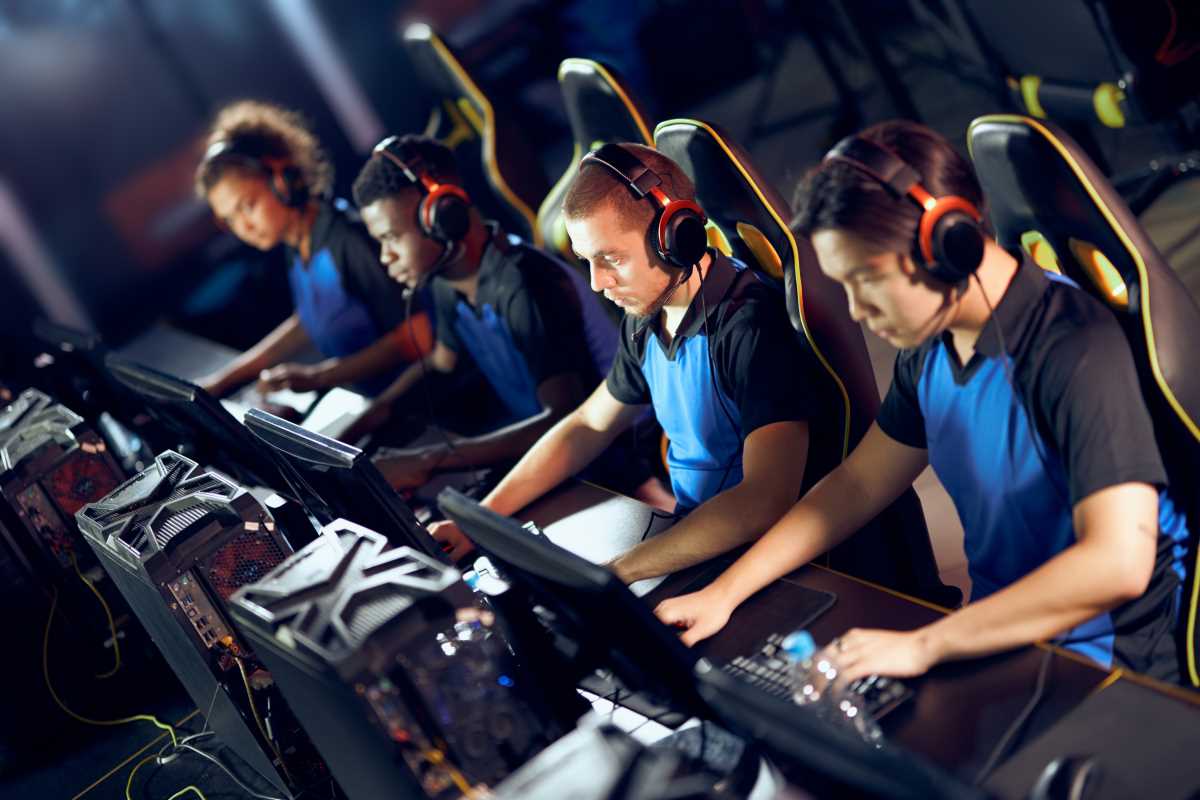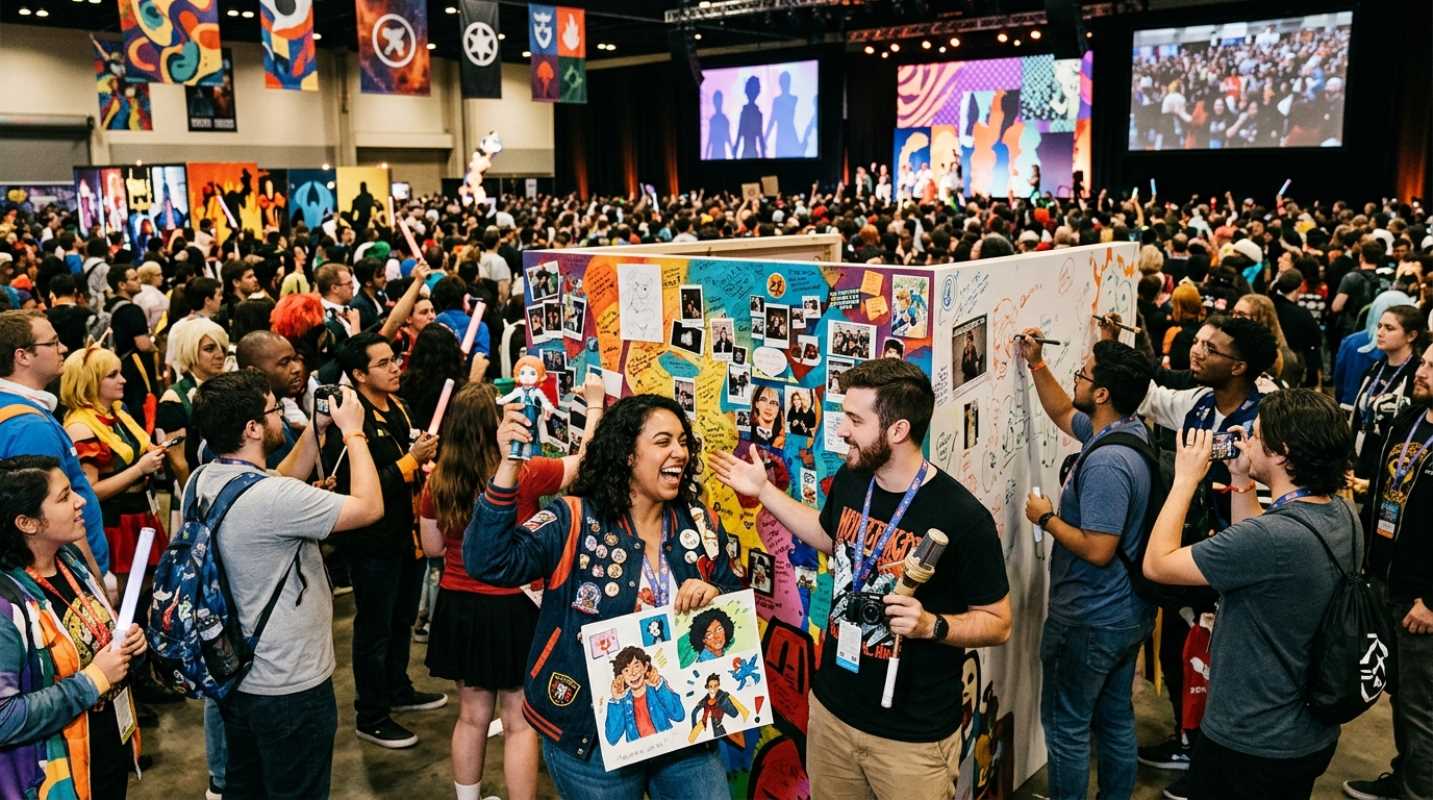
Have you ever watched a movie and felt like the writers were reading your mind? Or maybe they were just reading your Reddit posts. Remember when being a passionate fan meant hiding your interests in a dark corner of the internet? Maybe you had a secret blog, or a box of comic books hidden under your bed. Those days are officially over. Today, fan communities are not just watching the cultural conversation from the sidelines. They are running it.
We are living in an era where the relationship between media consumers and entertainment giants has shifted completely. Fandom is no longer a passive subculture of spectators. It is the primary engine driving pop culture and corporate business approach. Industry insiders call this the transition from audience to author. If you love a franchise, you are no longer just a customer. You are a co-creator.
Introduction From Obscurity to Mainstream Power
So what does this shift actually mean for you? It means the power dynamic in entertainment has flipped on its head. In the past, studios created content, shipped it to theaters or television networks, and hoped you bought a ticket. It was a one-way street.
Now, that street is a multi-lane highway with traffic flowing both ways. Online communities have grown from niche groups into massive cultural powerhouses. They can rescue canceled television shows, force movie studios to redesign characters, and turn obscure indie projects into global phenomena.
If you think this is just about teenagers screaming on social media, think again. This is a highly organized, economically powerful movement. Fandom is the new default state of media consumption. If you are not part of a fandom, you are in the minority.
The Digital Megaphone: How Social Media Amplifies Fandom Influence
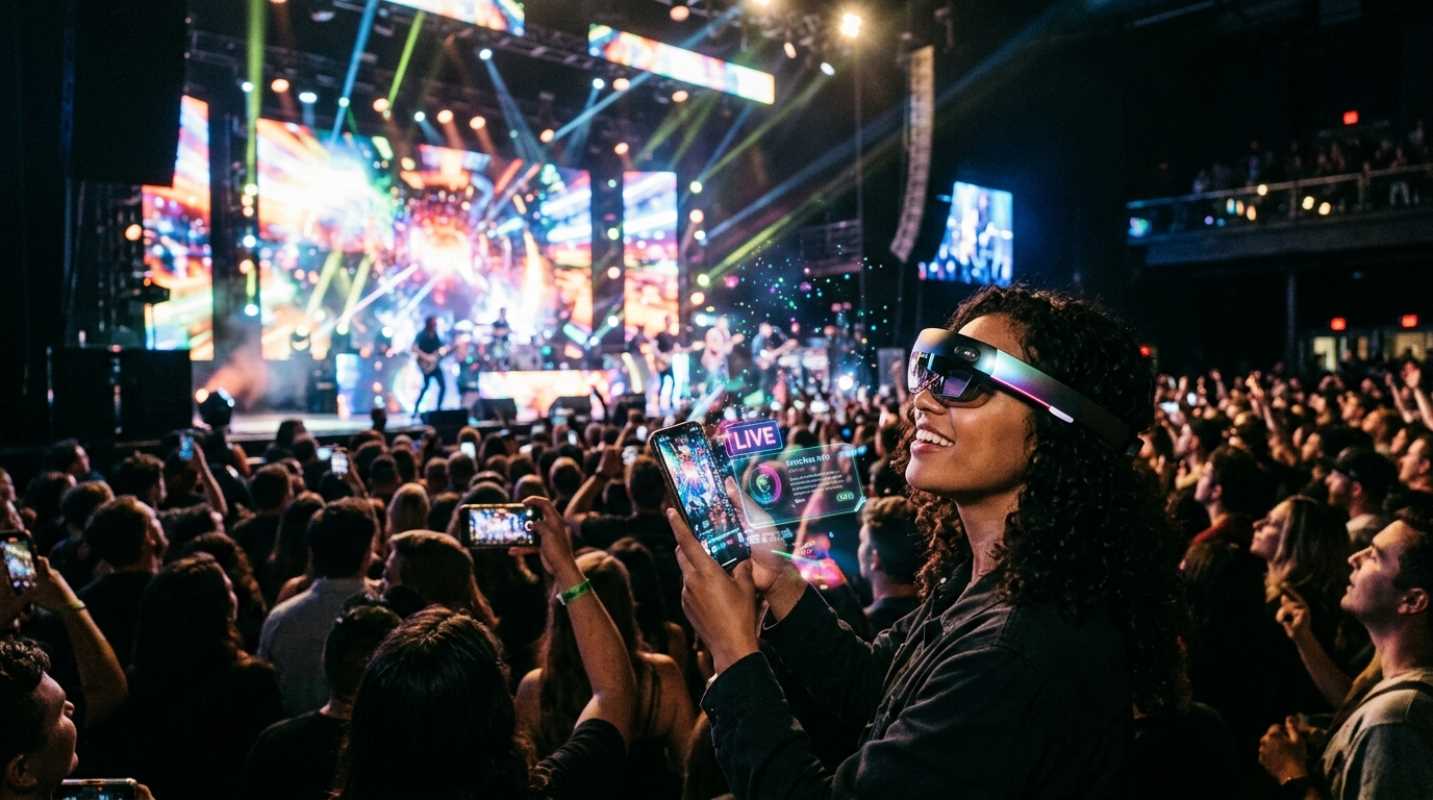
How did we get here? Think of social media as a giant digital megaphone. Platforms like X, TikTok, and Reddit give you a direct line to the people making your favorite media. If a showrunner makes a creative choice you hate, they will hear about it within minutes.
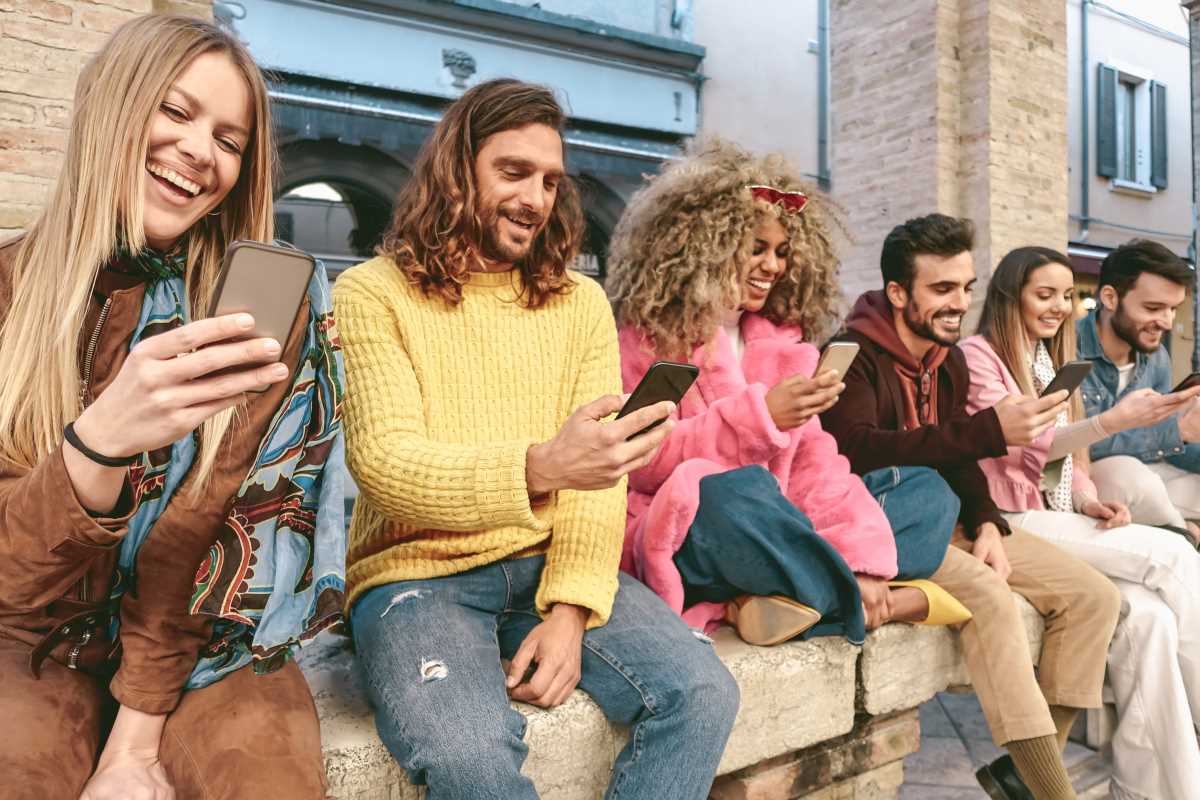
The speed of this feedback loop is dizzying. A single viral post can shift public perception overnight. According to a Deloitte Digital study, 75% of Americans age 18 and older consider themselves part of a fandom.² On top of that, one in three social media users actively participates in an online fan community. Fandom is not just a hobby. It is a core pillar of identity.
This environment has created the super-fan, a new breed of influencer who holds immense sway over public opinion. These are not traditional critics paid by newspapers. They are passionate community leaders who analyze trailers frame-by-frame, write deep-dive essays, and rally thousands of followers to support or boycott a project. When these super-fans speak, corporate executives listen.
The Feedback Loop When Fans Actually Shape the Content
Have you ever seen a fan-made video that looked better than the official marketing campaign? It happens all the time now. Fans are using short-form video editing to drive cultural relevance, often resurrecting older franchises without any help from the original creators.
Look at the viral Creed edit that exploded across TikTok.³ Created by a user named Areq, this 63-second video combined intense boxing scenes of Michael B. Jordan with a Kendrick Lamar track. The video gained over 220 million views and 21 million likes. It single-handedly brought a decade-old film franchise back into the spotlight and sparked a global shadow-boxing trend on social media. A fan in their bedroom did more for the franchise's online footprint than a multi-million-dollar marketing team ever could.
This feedback loop goes even deeper than viral edits. Sometimes, fan pressure forces major corporate pivots. Consider what happened with the Dexter franchise. After viewers expressed deep disappointment with the endings of both the original series and the 2021 reboot, Showtime and Paramount+ realized they had to fix their relationship with the community.
To make things right, they completely restructured their upcoming projects based on fan feedback. They launched a prequel series in late 2024, which quickly became Showtime's most-streamed premiere ever, and fast-tracked a sequel series for mid-2025 specifically designed to undo the unpopular ending. When fans speak with one voice, studios have no choice but to listen.
Economic Impact Fandom Influence as a Market Force
Let's talk about the money. Fandom is a massive economic engine. An Ipsos survey found that 49% of fans are more likely to buy products or services from companies that support the things they love.¹ If you can win the loyalty of a fandom, you win their wallets too.
In the current entertainment market, Hollywood relies heavily on pre-existing fanbases to guarantee box office returns. Nine out of the top ten highest-grossing films of recent years were sequels or franchise continuations.
• Direct Purchasing: Half of all fans actively buy from brands that support their interests.
• Crowdfunded Support: Grassroots campaigns keep niche projects alive when studios walk away.
• The Fandom Economy: Specialized tech platforms are replacing old social networks, letting brands offer exclusive merchandise and direct communication channels.
Take Deadpool & Wolverine, which made over 1.3 billion dollars worldwide. The entire movie is built around meta-humor, long-standing internet memes, and inside jokes that only dedicated fans would understand. Marvel Studios recognized that rewarding the community's deep knowledge of the lore was the safest path to a massive financial victory.
If you want to dive deeper into these communities or build one yourself, here are some key tools and platforms to check out.
The Future of Collaborative Pop Culture
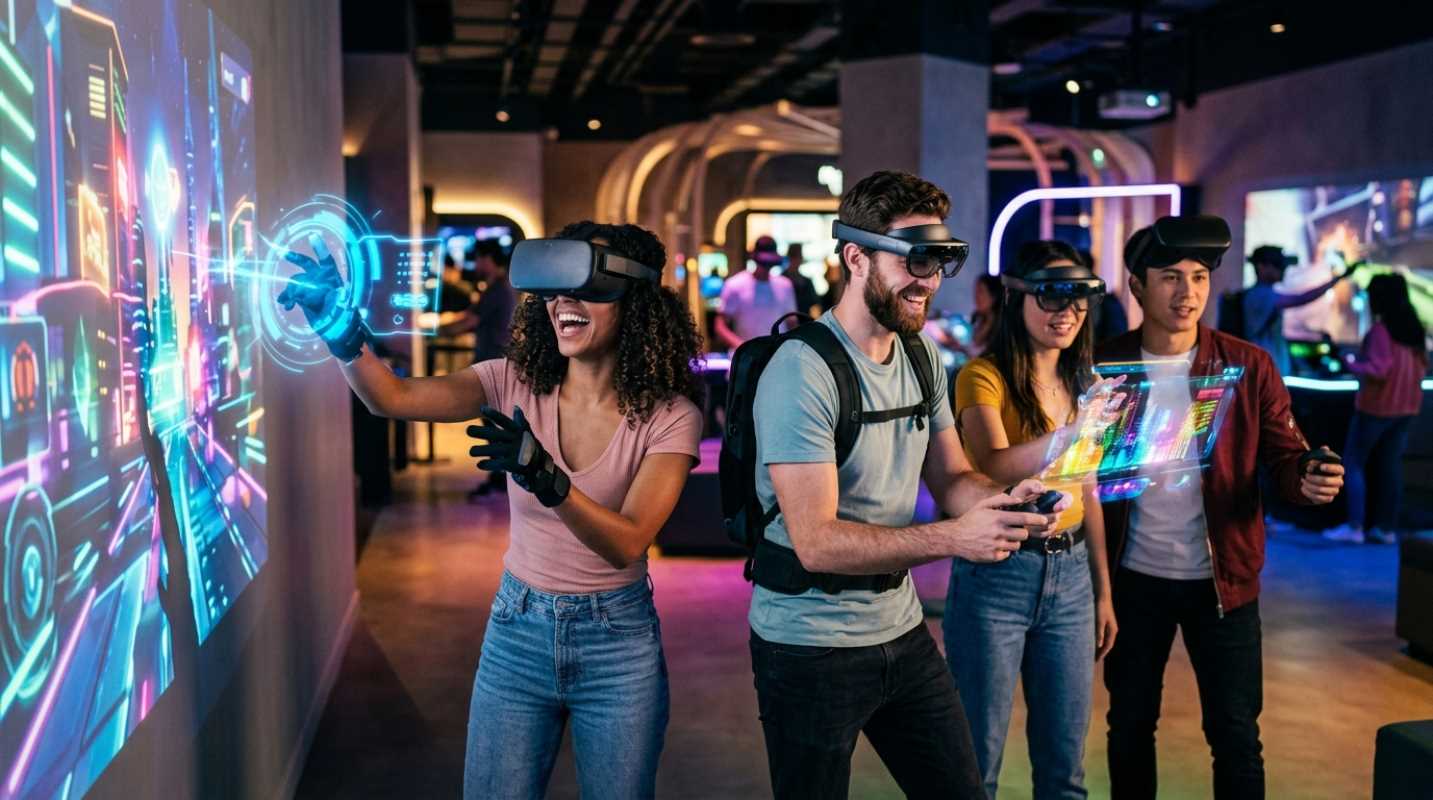
Where do we go from here? The line between creator and consumer is permanently blurred. We are moving toward a future where storytelling is a collaborative sport.
As research experts point out, fandom is no longer just about consuming content. It is about creating, reshaping, and owning the narrative. If you are a brand or a creator, you cannot just broadcast to an audience anymore. You have to invite them into the process.
The digital economy is now built around this creative energy. Social platforms are proud to host the creators who attract these massive communities, and the fans are more than happy to participate by sharing, commenting, and buying.
The most successful franchises are the ones that treat their audience as partners. Fandom is the lifeblood of modern culture, and the communities we build are the ones holding the pen.
Sources:
1. Ipsos Future of Fandom Survey
https://www.ipsos.com/sites/default/files/ct/news/documents/2025-04/What%20The%20Future%20Fandom%202025.pdf
2. Deloitte Digital Social Media Approaches
https://www.deloittedigital.com/us/en/insights/perspective/social-media-approaches-fandom.html
3. Know Your Meme The Creed Edit
https://knowyourmeme.com/memes/that-one-creed-edit
.jpeg)