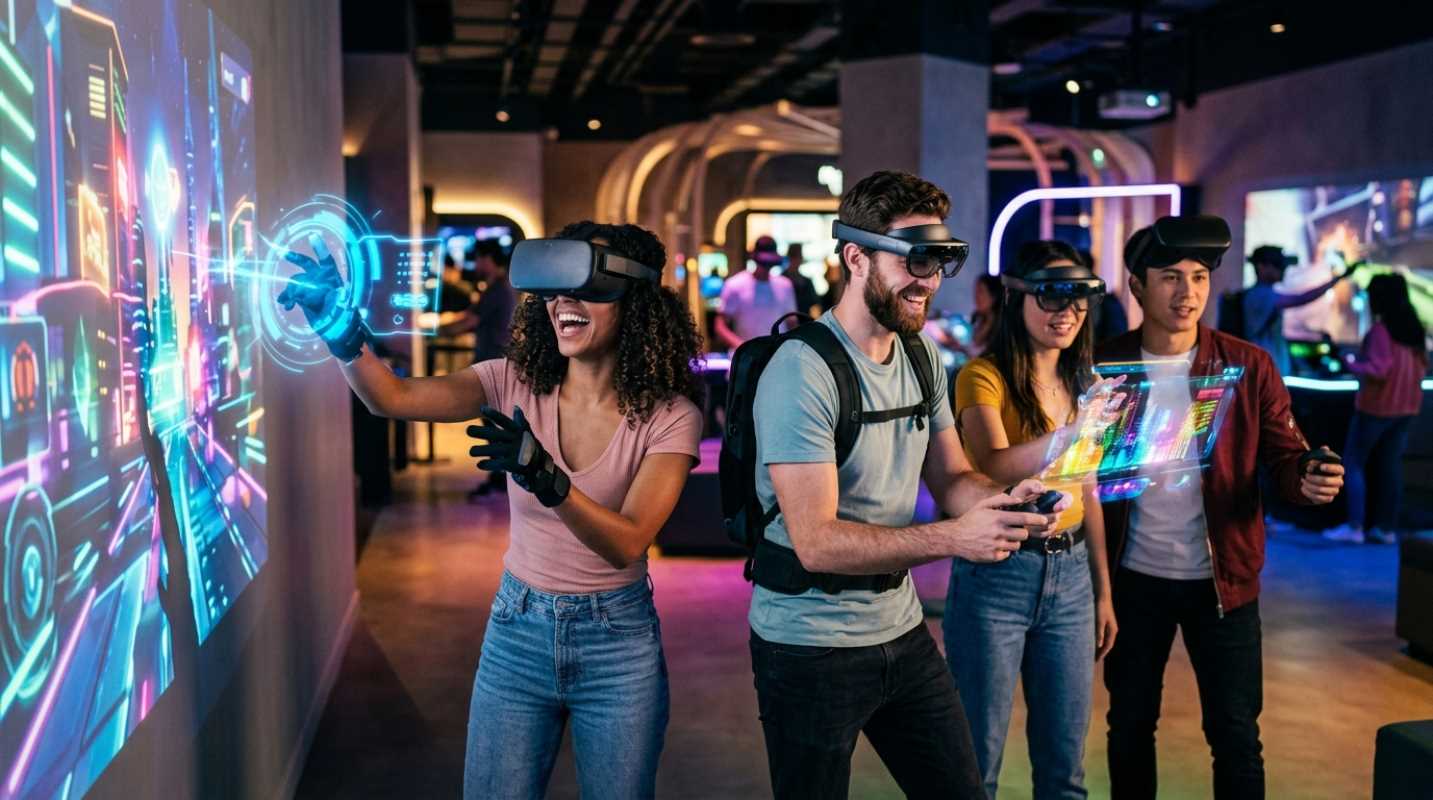
Remember when entertainment meant sitting on a couch and staring blankly at a television? You watched a movie, the credits rolled, and you went to bed. That passive relationship with media is quickly becoming a relic of the past.
Today, you don't just want to watch a story. You want to live inside it, shape its outcome, and feel the physical weight of its environment.
Interactive entertainment is no longer a futuristic novelty. It has become a core pillar of modern digital culture, representing a permanent shift in how we spend our time and money.
The numbers paint a clear picture. Although traditional media struggles to keep your attention, the global immersive entertainment market has exploded, valued at well over $137 billion recently.¹ This isn't a fad. It's a fundamental rewrite of the entertainment playbook.
Defining the New Standard of Immersive Experiences
So what does this actually mean? To understand this shift, you have to look at the technology making it possible.
We're talking about a mix of virtual reality (VR), mixed reality (MR), and advanced haptic feedback. VR still holds the largest chunk of the market, taking up over 40% of the share, but mixed reality is growing incredibly fast.
When you combine these technologies with physical set design, something incredible happens in your brain. True immersion creates a deep emotional connection.
In fact, neuroscience shows that well-designed immersive content starts forming memories in your brain in just 0.9 seconds. Compare that to the five seconds it takes for traditional text-based advertising to register.
You now expect agency when you step into an experience. You want your choices to matter, whether you're exploring a digital world or physical space.
Key Entertainment Trends Shaping the Future
Have you noticed how your nights out have changed? If you're a millennial or Gen Z, you're probably skipping the traditional bar scene for competitive socializing.
This trend is all about active play. Think about gamified mini-golf, augmented reality climbing walls, and high-tech team challenges.
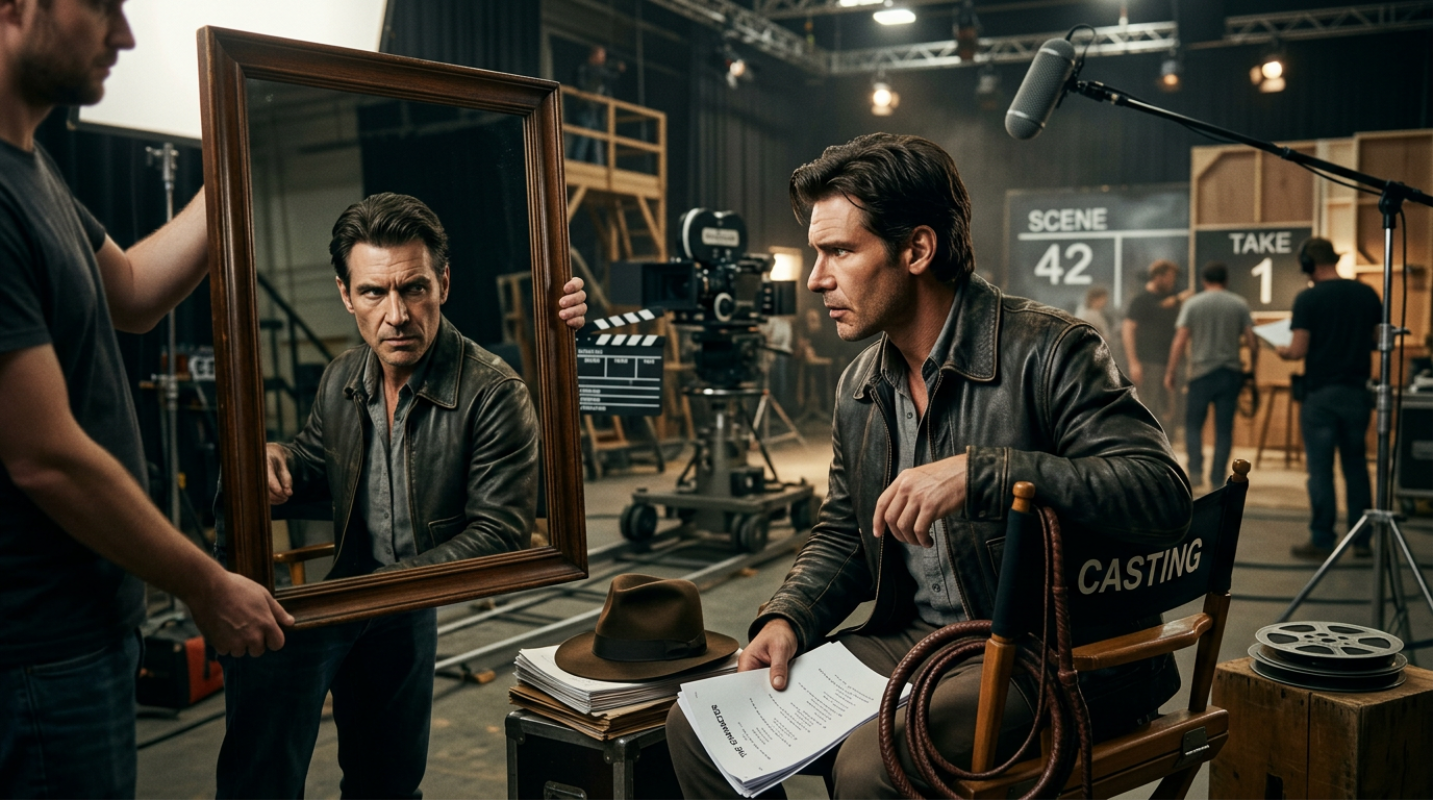
We're also seeing massive cross-pollination between video games and cinema. The boundaries have completely dissolved.
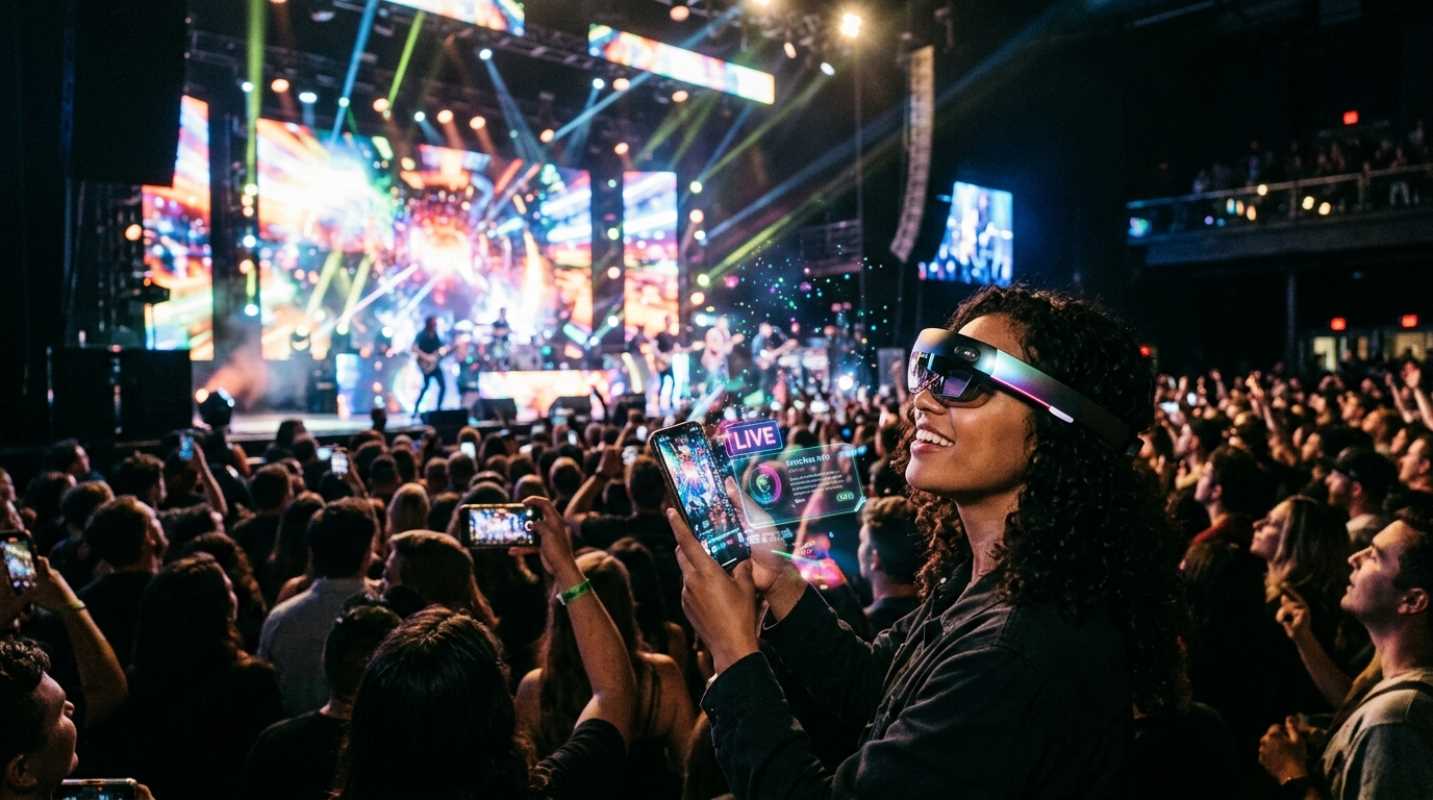
Live events are getting a massive upgrade too. Immersive concerts, theater, and festivals generated over $10 billion in 2025 and are on track to grow even more in the coming years.
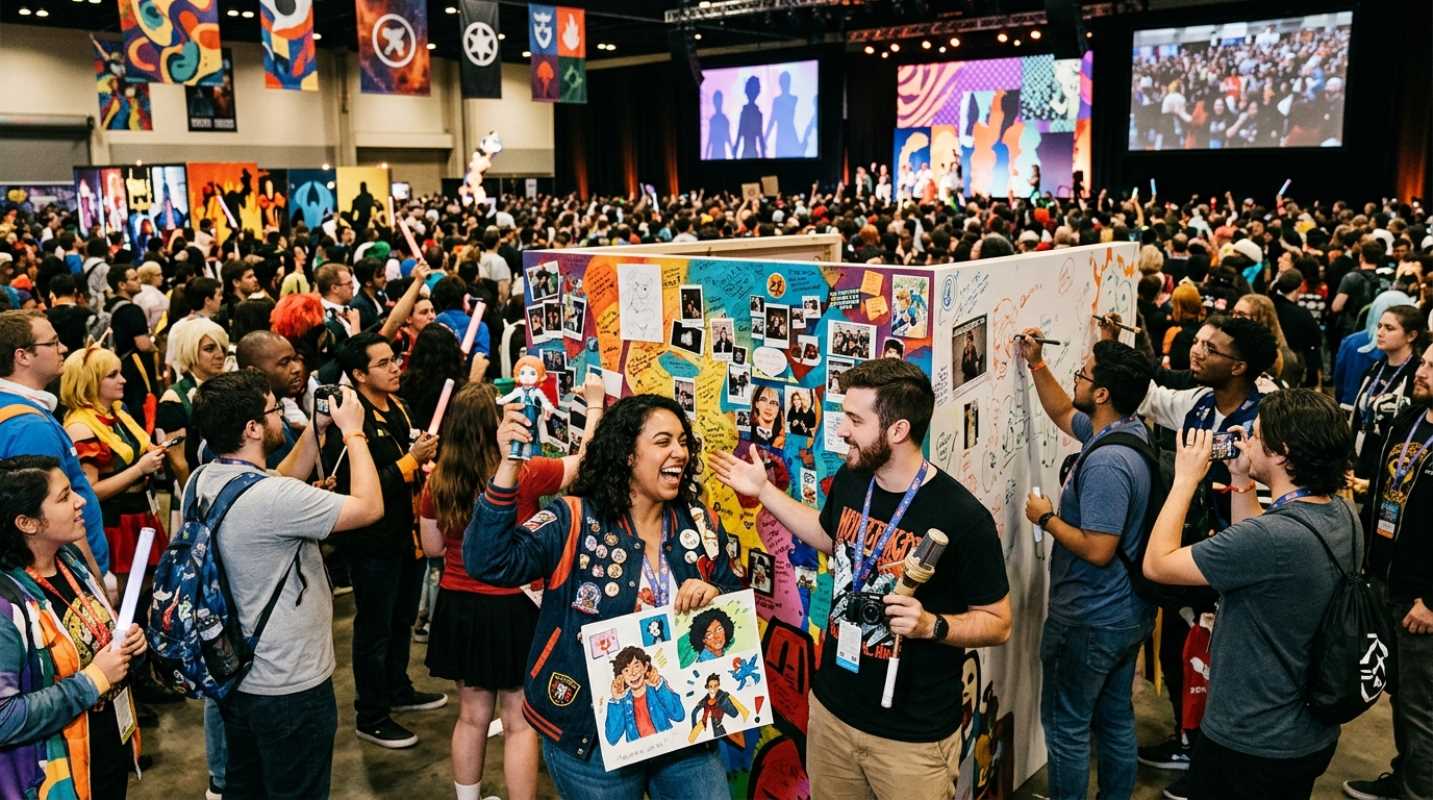
People want to connect with others, making entertainment a shared interactive event rather than a solitary activity.
Case Studies: Who is Getting it Right?
Let's look at who is actually winning in this new environment. Some of the biggest brands are leading the charge by turning their popular shows into physical adventures.
• Netflix: The streaming giant took over Paris by gathering hundreds of fans in iconic green tracksuits to play Squid Game in real life. In London, they built a 360-screen theater experience for The Witcher, letting fans physically fight monsters alongside actors.
• Théâtre des Lumières: Located in Seoul, this digital art theater projected classic artwork across a massive, multi-sensory space. Studies showed that this approach dramatically boosted visitor satisfaction compared to traditional, quiet museums.
• Chicago's WOW Corridor: Chicago is clustering immersive attractions to build an entire experience district.² This multi-million-dollar project features high-tech observation decks and permanent horror experiences to keep tourists coming back.
These examples show that brands are moving away from traditional advertising. Instead, they're focusing on providing real, interactive value to their audiences.
If you want to experience the best of what this industry has to offer, you need to know where to look. Here are some of the top platforms and installations making waves in the interactive space.
Understanding the Next Wave of Experience Design
Where do we go from here? The next big step is the integration of artificial intelligence to personalize your journey in real time.
Imagine stepping into an experience where the characters react to your voice, your choices, and even your body language, creating a unique story just for you.
But scaling these experiences for the mass market isn't easy. Operators are facing real hurdles, including rising insurance costs and outdated city zoning laws.
Insurance premiums for interactive venues jumped up to 20% recently, forcing smaller players to struggle while larger companies dominate.
Still, the demand is undeniable. Data shows that 62% of people attend these experiences frequently, and most feel their cities don't have enough of them.³
Audiences are even willing to pay premium prices, often over $100 for a quality ticket. But be warned: the era of cheap projection-mapped art shows is over.
To succeed today, an experience must offer genuine depth, physical interaction, and real agency. That's the new baseline for success in the entertainment world.
Sources:
1. Gensler Research Institute - 2025 Immersive Entertainment & Culture Industry Report
https://www.gensler.com/gri/immersive-industry-report-2025
2. World Business Chicago - Chicago's WOW Corridor
https://worldbusinesschicago.com/allnews/with-100m-projects-fueling-it-chicagos-new-wow-corridor-makes-vibrancy-our-most-compelling-case-for-investment/
3. Gensler - The Experience Economy Is Real
https://www.gensler.com/blog/the-experience-economy-is-real-is-your-city-ready-to-compete


.jpeg)