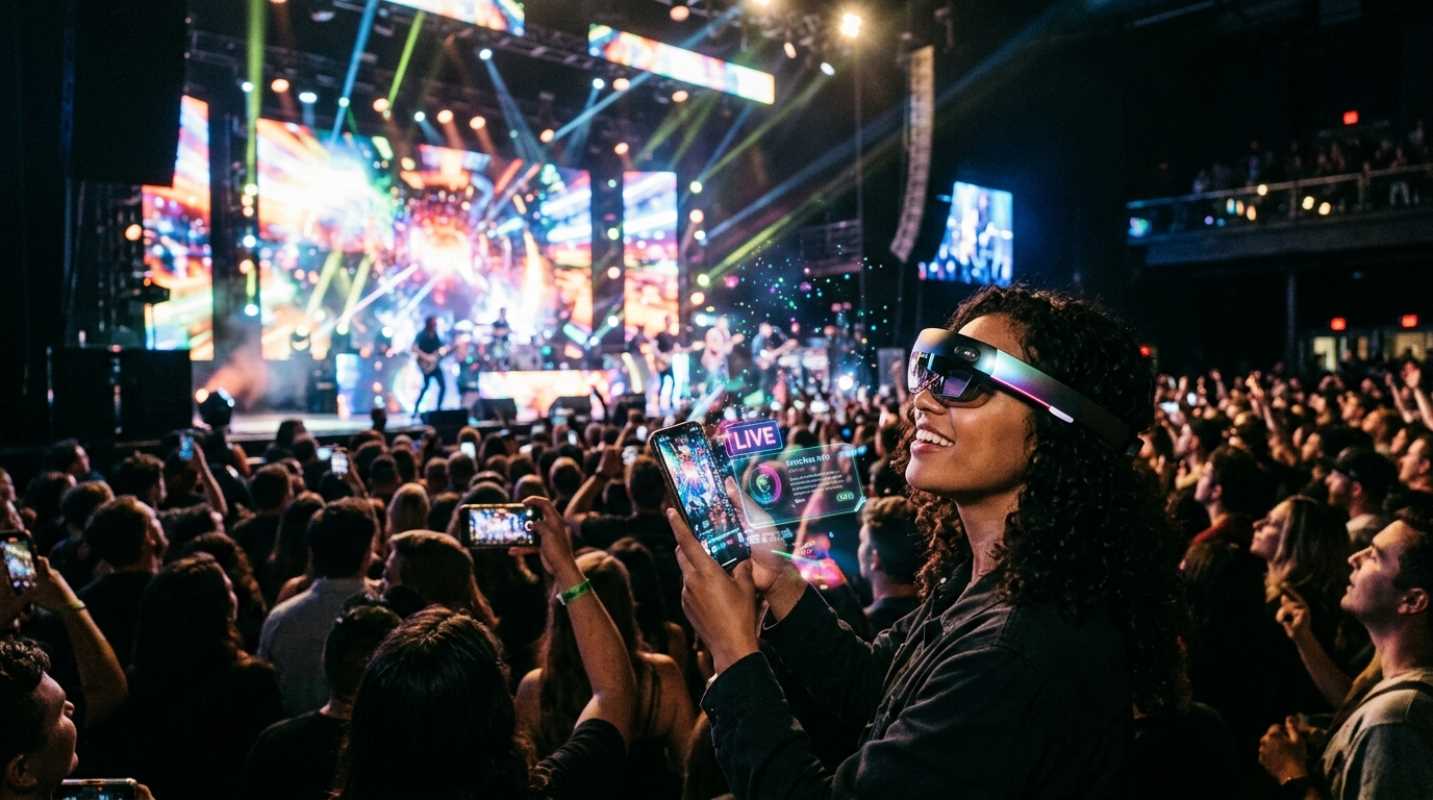
Remember when going to a show meant buying a paper ticket, standing in a long line, and hoping the tall person in front of you didn't block your view? That world is fading fast. Today, in 2026, live entertainment isn't just about physical presence anymore. It's about a hybrid experience where the physical and digital worlds blend together.
So what does this actually mean for you? It means the stage is no longer limited by four walls or a ceiling. The global entertainment and media market grew 5.3% in 2025, reaching $3.5 trillion.¹ That's a massive number, and it's largely driven by people demanding live, immersive experiences.
The broader live entertainment market reached $535.4 billion in 2025. But the real story is in how we access these events. Digital media has shattered venue capacity limits. Now, a stadium in London can host 80,000 people in person while simultaneously broadcasting to millions of fans worldwide, making everyone feel like they're in the room.
Immersive Technologies and the New Front Row
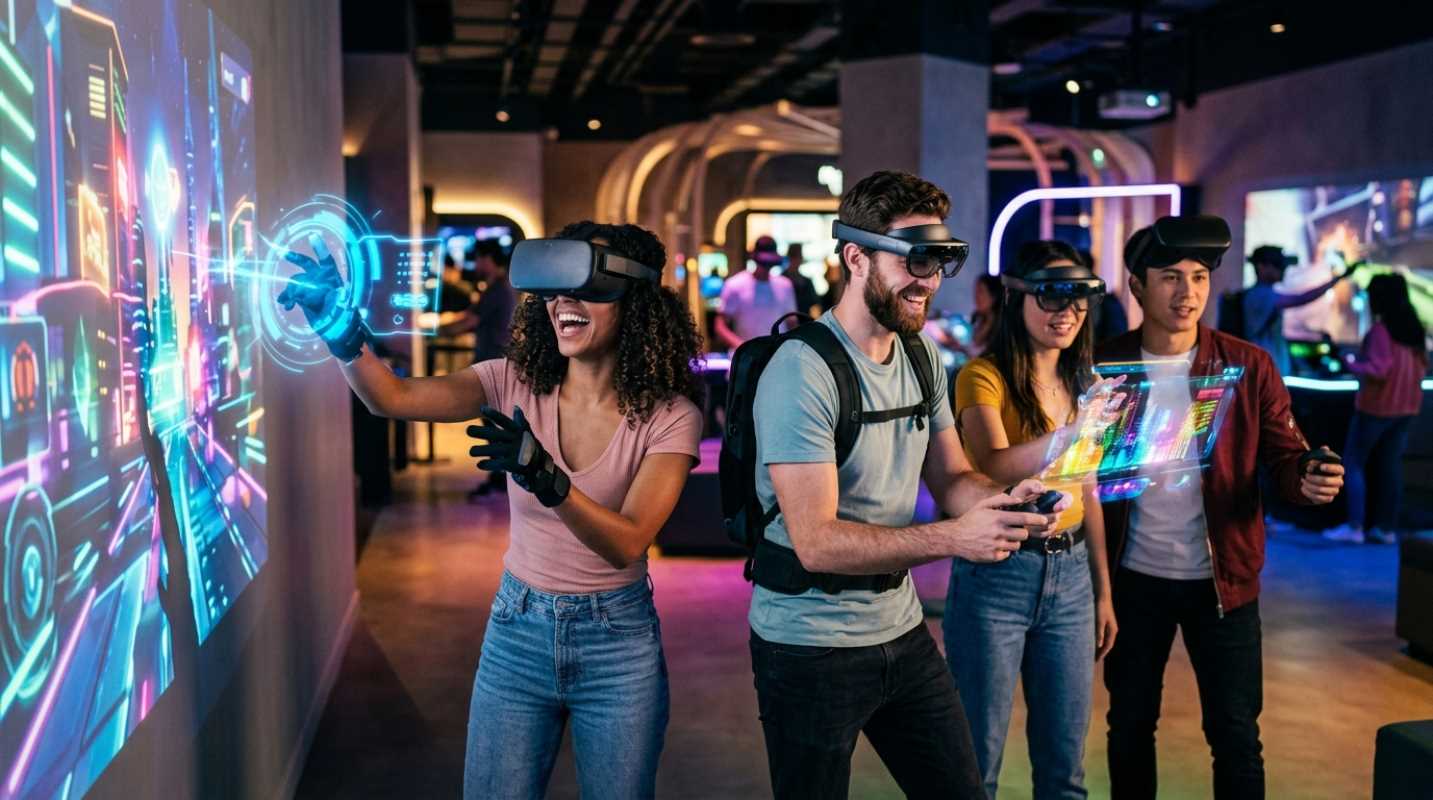
Have you ever wanted to stand on stage right next to your favorite lead singer? With spatial computing, you practically can. The launch of premium headsets like the Apple Vision Pro and Meta Quest 3 has changed how we watch live events from home.
Think of it like a digital teleportation device. When Bono released Stories of Surrender on Apple TV+, it used 8K video and spatial audio to make you feel like you were standing on the stage at the Beacon Theatre. It wasn't just about watching a screen. It felt like you were sharing the physical space with the band.
Now, a powerful new alliance between Samsung, Google, and Qualcomm is entering the market with the Galaxy XR headset. This competition is driving down hardware costs, which means immersive tech is finally becoming affordable for regular fans.
But you don't even need a headset to experience this shift. Artists are bringing digital elements directly into physical crowds
• Augmented Reality - During Drake's recent tour, real-time Snapchat filters projected interactive visuals onto fans' faces, which then appeared on the giant stadium screens.
• Coachella Live - The festival partnered with Unreal Engine to overlay active 3D visuals onto YouTube livestreams, blending the home and festival experiences.
• Wearable Haptics - New wearable tech and haptic vests allow remote fans to feel the bass and beat of a concert through synchronized physical vibrations.
The Symbiosis of Physical and Virtual Experiences
Does this digital shift mean physical venues are going away? Not at all. In fact, they are changing into highly advanced experience hubs.
Look at the Sphere in Las Vegas. This giant venue generated $781.4 million in 2025 alone.² Their production of The Wizard of Oz sold over 2.2 million tickets by mid-January 2026, grossing around $290 million.² It's a physical space, but the entire experience is built on massive digital technology.
Then there's ABBA Voyage in London, where digital avatars perform alongside a live band. In 2024, the show sold over one million tickets and generated $112.9 million in revenue.³ It has flipped the traditional touring model. Instead of the band traveling to you, you travel to them. A December 2025 report showed the show contributed $2.74 billion to the UK economy in its first three years.
The theater world is also changing. The immersive theater market, valued at $1.2 billion in 2025, is moving away from the old setup where you sit in the dark looking at a distant stage. Now, companies use projection mapping as a sustainable way to paint entire venues with dynamic, digital backgrounds. It means no massive physical sets that end up in landfills, just pure, digital magic.
Even media brands are getting in on the action. Netflix House opened permanent venues in Dallas and Philadelphia in 2025, giving fans physical, interactive spaces to connect with their favorite digital shows.
If you want to experience the future of entertainment from your living room, here are the top tools you need to get started.
Monetization and Community in the Digital Age
How does the industry make money when anyone can watch from home? The business model is shifting from one-time ticket sales to continuous, interactive digital content.
Think about theater. Historically, if you didn't live in London or New York, you missed out. Now, programs like National Theatre Live offer high-definition streaming and video-on-demand. This does not just make theater accessible to everyone, it also creates a reliable stream of secondary revenue for the creators.
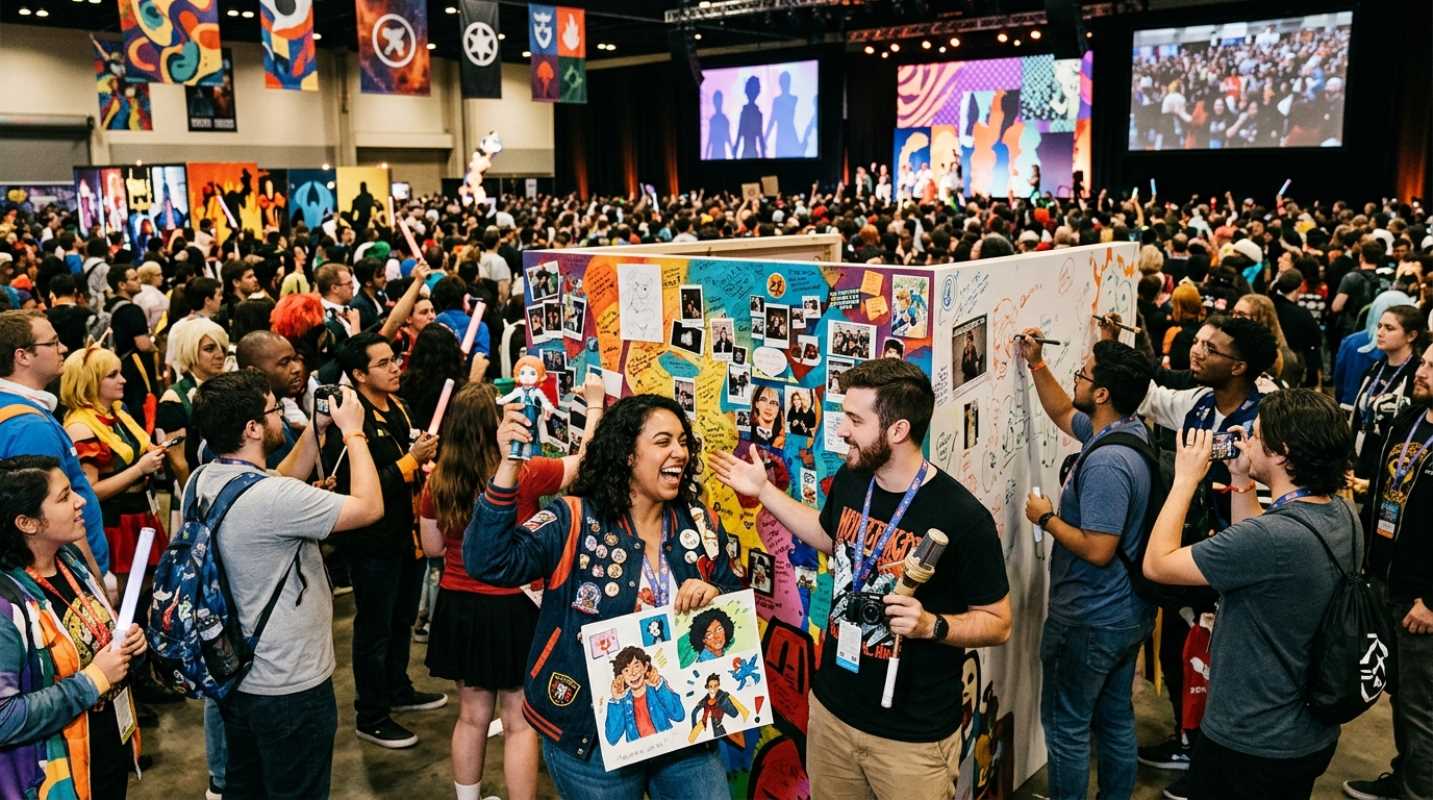
We are also seeing the rise of digital-first communities. Fans don't just want to watch a show, they want to talk about it, dissect it, and experience it with others. Decentralized digital platforms allow fans from Tokyo, Chicago, and Paris to gather in virtual spaces before, during, and after a live performance.
You can buy virtual merchandise, chat with other fans in real-time, and even vote on the next song in the setlist. The ticket is no longer the end of the transaction. It's just the entry point into a much larger, global community.
Authenticity as the Ultimate Currency
With all this high-tech integration, there's a major trap to avoid. It's easy to get caught up in the flashy tech and forget why we go to live shows in the first place. We go to feel something.
A recent report by Gensler and the Immersive Experience Institute notes that the immersive industry is currently in its awkward teenage years. Audiences are getting smarter. They don't want technology just for the sake of technology. If a digital effect doesn't help tell the story or make you feel connected, it's just noise.
Bart Spiegel from PwC points out that while personalization is changing how we engage, the core of entertainment is still human. He notes that companies must continue providing the premium, in-person experiences that people still crave.⁴
The future of live entertainment focuses on using digital tools to make physical experiences more accessible, interactive, and memorable. As we move through 2026, the most successful shows will be the ones that use technology to bring us closer together, not keep us apart.
Sources:
1. PwC Global Entertainment & Media Outlook
https://www.pwc.com/gx/en/issues/business-model-reinvention/outlook/insights-and-perspectives.html
2. Music Business Worldwide - Sphere Revenue
https://www.musicbusinessworldwide.com/sphere-entertainments-revenues-topped-1-2bn-in-2025-up-8-yoy-wizard-of-oz-has-generated-290m-since-august/
3. Music Business Worldwide - ABBA Voyage Revenue
https://www.musicbusinessworldwide.com/abba-voyage-generated-113m-in-2024-as-demand-for-virtual-concert-series-stayed-strong-in-third-year/


.jpeg)